

Brain & Cognitive Health
Explore This Section:
Listen to This Page
The written text on this page serves as the full and official version of this content

While each condition affects the body differently, many share overlapping patterns involving inflammation, fatigue, digestion, nervous system regulation, pain, recovery capacity, environmental sensitivity, and overall biological stress load. SoilToSelfLiving explores these conditions through the broader lens of supportive daily living, nourishment, sleep, recovery, environmental conditions, and the interconnected systems that influence long-term health and resilience. Explore the most common conditions.
Overview

Listen to This Page
The written text on this page serves as the full and official version of this content
The brain helps regulate memory, learning, attention, emotions, movement, communication, sleep, decision-making, and many of the functions that support daily life. Brain health is influenced by nutrition, hydration, sleep, physical activity, stress, social connection, circulation, metabolic health, environmental conditions, and overall well-being. Changes in brain function can occur for many reasons. Some are associated with normal aging, while others may be linked to conditions such as mild cognitive impairment, dementia, Alzheimer's disease, vascular cognitive impairment, Parkinson's disease, traumatic brain injury, stroke, chronic stress, depression, sleep disorders, and other neurological conditions. Although these conditions differ, many share common influences involving circulation, inflammation, oxidative stress, sleep quality, nervous system regulation, and metabolic health. This section explores the factors that support brain and cognitive health throughout life. While no lifestyle approach can guarantee prevention or recovery, daily habits may help support resilience, adaptation, cognitive function, and quality of life. Brain health is shaped by the combined effects of supportive routines, nourishing food, adequate hydration, restorative sleep, regular movement, mental engagement, meaningful relationships, healthy environments, and appropriate healthcare. Consistent small choices can help support cognitive function, independence, and overall well-being throughout every season of life.
How This Connects to Other Sections of SoilToSelfLiving
Brain health is closely connected to many of the systems and environmental influences discussed throughout SoilToSelfLiving.
Sleep & Circadian Rhythm supports memory formation, learning, emotional regulation, and the brain's natural recovery processes.
Nutrition & Metabolic Regulation provides the energy and nutrients needed for healthy cognitive function, including support for blood sugar regulation, hydration, healthy fats, vitamins, and minerals.
Cardiovascular & Circulatory Health helps deliver oxygen and nutrients throughout the brain, supporting memory, concentration, and neurological function.
Stress & Regulation influences mood, sleep quality, concentration, and nervous system balance. Long-term stress may affect cognitive performance, while supportive stress-management practices may help build resilience.
Movement & Structural Function supports circulation, balance, coordination, mood, and cognitive health. Regular physical activity is consistently associated with better brain function throughout life.
Immune & Inflammatory Regulation may influence brain health through inflammatory pathways that affect both the brain and nervous system.
Environmental Conditions including air quality, noise exposure, natural light, chemical exposures, and access to supportive outdoor environments can influence sleep, mood, concentration, and overall cognitive well-being.
Social Connection & Community contribute to emotional health, purpose, mental stimulation, and quality of life. Meaningful social engagement is increasingly recognized as an important factor in maintaining cognitive health as people age.
Together, these interconnected influences help shape cognitive resilience, brain function, and quality of life throughout life.
Scientific & Research References
General Brain Health & Cognitive Function
These resources provide broad information about brain health, cognitive function, dementia, neurological conditions, aging, prevention strategies, and long-term supportive care.
National Institute on Aging (NIA). Cognitive Health and Older Adults.
World Health Organization (WHO). Risk Reduction of Cognitive Decline and Dementia: WHO Guidelines.
Alzheimer's Association. Alzheimer's Disease Facts and Figures.
Centers for Disease Control and Prevention (CDC). Healthy Brain Initiative.
National Institute of Neurological Disorders and Stroke (NINDS). Brain and Neurological Disorder Resources.
Livingston G, Huntley J, Sommerlad A, et al. Dementia Prevention, Intervention, and Care: Lancet Commission Reports.
Lifestyle, Prevention & Cognitive Resilience
Research continues to show that brain health is influenced by daily lifestyle patterns including physical activity, sleep, nutrition, social connection, and cardiovascular health.
Livingston G, Huntley J, Liu KY, et al. Dementia Prevention, Intervention, and Care: 2024 Report of the Lancet Standing Commission. The Lancet.
Kivipelto M, Mangialasche F, Ngandu T. Lifestyle Interventions to Prevent Cognitive Impairment, Dementia and Alzheimer Disease. Nature Reviews Neurology.
Lourida I, Hannon E, Littlejohns TJ, et al. Association of Lifestyle and Genetic Risk with Incidence of Dementia. JAMA.
Ngandu T, Lehtisalo J, Solomon A, et al. A 2-Year Multidomain Intervention of Diet, Exercise, Cognitive Training, and Vascular Risk Monitoring versus Control to Prevent Cognitive Decline in At-Risk Elderly People: FINGER Trial. The Lancet.
Nutrition, Hydration & Brain Health
These references explore how dietary patterns, nutrient quality, hydration, and metabolic health may influence cognitive function, inflammation, vascular health, and long-term brain resilience.
Morris MC, Tangney CC, Wang Y, et al. MIND Diet Associated with Reduced Incidence of Alzheimer's Disease. Alzheimer's & Dementia.
Gómez-Pinilla F. Brain Foods: The Effects of Nutrients on Brain Function. Nature Reviews Neuroscience.
Scarmeas N, Anastasiou CA, Yannakoulia M. Nutrition and Prevention of Cognitive Impairment. The Lancet Neurology.
Berti V, Walters M, Sterling J, et al. Mediterranean Diet and 3-Year Alzheimer Brain Biomarker Changes in Middle-Aged Adults. Neurology.
National Institute on Aging (NIA). Diet and Brain Health Resources.
Physical Activity & Brain Function
Physical activity supports circulation, metabolic health, mood, sleep quality, balance, mobility, and cognitive function across the lifespan.
Erickson KI, Hillman C, Stillman CM, et al. Physical Activity, Cognition, and Brain Outcomes: A Review. Medicine & Science in Sports & Exercise.
Northey JM, Cherbuin N, Pumpa KL, et al. Exercise Interventions for Cognitive Function in Adults Older Than 50 Years: A Systematic Review and Meta-Analysis. British Journal of Sports Medicine.
World Health Organization (WHO). Physical Activity Guidelines.
American College of Sports Medicine. Exercise and Brain Health Resources.
Sleep, Recovery & Cognitive Health
Sleep supports memory processing, emotional regulation, nervous system balance, metabolic health, and brain recovery.
Walker MP. Why We Sleep: Unlocking the Power of Sleep and Dreams.
Yaffe K, Falvey CM, Hoang T. Connections Between Sleep and Cognition in Older Adults. The Lancet Neurology.
Xie L, Kang H, Xu Q, et al. Sleep Drives Metabolite Clearance from the Adult Brain. Science.
American Academy of Sleep Medicine. Sleep and Cognitive Health Resources.
National Institutes of Health (NIH). Sleep, Aging, and Brain Health Resources.
Stress, Social Connection & Mental Engagement
Emotional health, social connection, purpose, learning, creativity, and meaningful engagement all influence brain function and quality of life.
Fratiglioni L, Paillard-Borg S, Winblad B. An Active and Socially Integrated Lifestyle in Late Life Might Protect Against Dementia. The Lancet Neurology.
Cacioppo JT, Cacioppo S. Social Relationships and Health: The Toxic Effects of Perceived Social Isolation. Social and Personality Psychology Compass.
Stern Y. Cognitive Reserve in Ageing and Alzheimer's Disease. The Lancet Neurology.
National Institute on Aging (NIA). Participating in Activities You Enjoy As You Age.
Environmental Conditions & Brain Health
Environmental factors such as air pollution, noise, chemical exposure, sleep environment, natural light, and access to safe outdoor spaces may influence brain health and cognitive function.
Power MC, Weisskopf MG, Alexeeff SE, et al. Traffic-Related Air Pollution and Cognitive Function in Older Adults. Environmental Health Perspectives.
Peters R, Ee N, Peters J, et al. Air Pollution and Dementia: A Systematic Review. Journal of Alzheimer's Disease.
Clifford A, Lang L, Chen R, Anstey KJ, Seaton A. Exposure to Air Pollution and Cognitive Functioning Across the Life Course: A Systematic Literature Review. Environmental Research.
World Health Organization (WHO). Environmental Noise Guidelines.
United States Environmental Protection Agency (EPA). Air Quality and Health Resources.
Aging, Function & Quality of Life Research
Brain health often influences independence, communication, mobility, safety, emotional well-being, and the ability to remain engaged in daily life.
National Institute on Aging (NIA). Healthy Aging and Cognitive Health Resources.
World Health Organization (WHO). Decade of Healthy Ageing.
Arenaza-Urquijo EM, Vemuri P. Improving the Resistance and Resilience Frameworks for Dementia Prevention and Brain Health. Nature Reviews Neurology.
Livingston G, Sommerlad A, Orgeta V, et al. Dementia Prevention, Intervention, and Care. The Lancet.
These studies explore how movement, nourishment, sleep, environmental quality, social connection, cognitive engagement, and supportive daily routines may help improve long-term brain function, independence, and quality of life.
Educational Disclaimer
The information provided throughout SoilToSelfLiving is intended for educational and informational purposes only. It is not intended to diagnose, treat, cure, or prevent any disease and should not replace professional medical advice, diagnosis, or treatment. Individuals experiencing memory concerns, confusion, sudden cognitive changes, neurological symptoms, mood changes, head injury, stroke-like symptoms, or other health concerns should seek guidance from a qualified healthcare professional. Emergency medical care should be sought immediately for sudden weakness, facial drooping, speech difficulty, severe confusion, loss of consciousness, or other signs of possible stroke or serious neurological distress.
return to section menu
Living with Brain & Cognitive Health Conditions
Listen to This Page
The written text on this page serves as the full and official version of this content
Living with a brain or cognitive health condition can affect memory, attention, communication, decision-making, movement, emotional well-being, and independence. Conditions such as mild cognitive impairment, Alzheimer's disease, other forms of dementia, Parkinson's disease, traumatic brain injury, stroke-related cognitive changes, and other neurological disorders affect each person differently. While challenges may change over time, many individuals continue to lead meaningful, productive, and fulfilling lives by focusing on supportive routines, personal strengths, and quality of life.
Maintaining Daily Routines
The brain often responds well to consistency and structure. Predictable routines for waking, meals, medications, activity, social engagement, and sleep may help reduce confusion, support memory, and lower daily stress. Calendars, reminder systems, written schedules, and organized living spaces can further support independence and confidence.
Supporting Memory and Thinking
Practical strategies can make daily life easier. Keeping important items in consistent locations, using calendars, phone alerts, written reminders, and simple checklists can help manage everyday tasks.
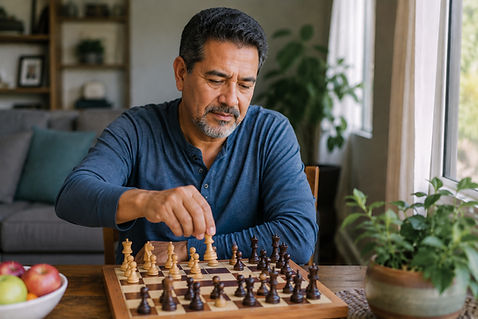
Mental engagement also supports cognitive function. Reading, puzzles, games, music, creative activities, gardening, conversation, learning new skills, and lifelong learning help keep the brain active and engaged.
Physical Activity and Brain Function
Regular movement supports circulation, cardiovascular health, balance, coordination, mood, sleep quality, and cognitive function. Walking, gardening, stretching, swimming, dancing, tai chi, yoga, and other enjoyable activities may benefit both body and brain. The goal is not intense exercise, but consistent movement appropriate for individual abilities and health status.
Emotional Well-Being
Cognitive changes can bring frustration, anxiety, uncertainty, grief, or fear. Maintaining meaningful relationships, spending time outdoors, participating in enjoyable activities, and seeking support when needed can help promote emotional well-being. Focusing on abilities rather than limitations often helps preserve confidence and engagement in daily life.
Social Connection and Community
Human connection remains important throughout life. Family, friends, neighbors, community groups, faith communities, volunteer opportunities, and social organizations provide emotional support, mental stimulation, and a sense of purpose. Even small social interactions can contribute positively to quality of life.
Supporting Independence
Many individuals maintain independence for years through practical adaptations and supportive strategies. Simplifying tasks, reducing clutter, improving organization, using reminder systems, and planning ahead can make daily activities safer and easier to manage.
Accepting assistance when needed is not a sign of failure. Support from family, friends, caregivers, and healthcare professionals can help individuals continue participating in the activities that matter most.
Supporting Care Partners and Families
Brain and cognitive conditions often affect entire families. Care partners frequently provide encouragement, organization, transportation, companionship, and daily support.
Caregivers also need support. Rest, social connection, respite opportunities, and community resources can help protect their own physical and emotional well-being while caring for a loved one.
Focusing on Quality of Life
A diagnosis does not define a person. Many individuals continue to enjoy family gatherings, gardening, walking, travel, music, art, nature, reading, volunteering, faith communities, and meaningful relationships.
Quality of life often comes from maintaining connection, purpose, dignity, enjoyment, and participation in daily living. Living well is not about perfection. It is about finding practical ways to support health, function, independence, and fulfillment while adapting to changing needs.Practical Guidelines
-
Maintain consistent daily routines.
-
Stay physically active within individual abilities.
-
Keep the mind engaged through learning and meaningful activities.
-
Prioritize sleep and recovery.
-
Stay socially connected.
-
Use calendars, reminders, and organizational tools.
-
Support cardiovascular and metabolic health.
-
Create safe and supportive living environments.
-
Focus on strengths, abilities, and quality of life.
-
Seek support when additional assistance is needed.
Educational Disclaimer
The information provided throughout SoilToSelfLiving is intended for educational and informational purposes only. It is not intended to diagnose, treat, cure, or prevent any disease and should not replace professional medical advice, diagnosis, or treatment. Individuals experiencing memory concerns, confusion, sudden cognitive changes, neurological symptoms, or other health concerns should seek guidance from a qualified healthcare professional regarding their individual needs.
A Supportive Day

Listen to This Page
The written text on this page serves as the full and official version of this content
Living with a brain or cognitive health condition does not mean life stops. Many individuals continue to enjoy meaningful relationships, hobbies, learning opportunities, and daily routines that support both well-being and independence. A supportive day emphasizes consistency, mental engagement, physical activity, social connection, nourishing food, restorative sleep, and reduced stress. The goal is not perfection, but creating daily conditions that support cognitive function, confidence, and quality of life.
A Sample Supportive Day
Morning
Begin the day with a consistent wake-up time and exposure to natural light. Open the curtains, spend a few minutes outdoors, or enjoy breakfast near a sunny window.
Start the morning with hydration and a nourishing breakfast that includes protein, healthy fats, fruits, vegetables, or whole grains. Review the day's plans using a calendar, notebook, reminder list, or other organizational tool. A clear plan can help reduce stress and improve confidence.
A morning walk, gardening, stretching, tai chi, or other enjoyable movement can support circulation, mood, balance, and cognitive function.
Midday
Engage in activities that provide purpose and mental stimulation. Reading, puzzles, games, music, art, writing, cooking, learning new skills, volunteering, woodworking, crafts, and other hobbies help keep the brain active and engaged.
Social interaction is equally important. Sharing a meal, calling a friend, attending a community activity, or participating in a group program can provide emotional and cognitive benefits.
Choose a balanced lunch and continue drinking water throughout the day.
Afternoon
Avoid long periods of inactivity when possible. Walking, gardening, household projects, errands, creative hobbies, community activities, or time in nature provide opportunities for movement, engagement, and problem-solving.
Brief periods of rest may be helpful when needed. Short breaks are often more supportive than long daytime naps that can interfere with nighttime sleep.
Evening
Evening routines are most supportive when they are calm and predictable. Enjoy a balanced meal and meaningful conversation when possible.
Reading, listening to music, light hobbies, card games, board games, family activities, or quiet relaxation can help maintain engagement while preparing the mind for rest. Reducing excessive screen time may help support sleep quality.
Night
Sleep is one of the most important supports for brain health. A consistent bedtime, comfortable sleep environment, minimal noise, and healthy sleep habits help support memory, emotional regulation, and overall cognitive function.
Sleep is not simply rest—it is an active part of how the brain repairs, organizes, and supports itself.
Helpful Daily Habits
-
Maintain consistent daily routines.
-
Use calendars, reminders, notes, and checklists.
-
Stay physically active.
-
Remain socially connected.
-
Keep learning and engaging the mind.
-
Spend time outdoors when possible.
-
Maintain good hydration.
-
Eat balanced, nutrient-dense meals.
-
Prioritize sleep and recovery.
-
Focus on abilities, interests, and meaningful activities.
Remember
A supportive day does not need to be busy to be successful. Small daily actions often provide meaningful benefits over time. Whether the day includes a walk in nature, a conversation with a friend, tending a garden, solving a puzzle, preparing a healthy meal, or enjoying a favorite hobby, these simple activities can help support cognitive health, emotional well-being, and quality of life.
Educational Disclaimer
The information provided throughout SoilToSelfLiving is intended for educational and informational purposes only. It is not intended to diagnose, treat, cure, or prevent any disease and should not replace professional medical advice, diagnosis, or treatment. Individuals experiencing memory concerns, confusion, sudden cognitive changes, neurological symptoms, or other health concerns should seek guidance from a qualified healthcare professional regarding their individual needs.
Nutrition, Hydration & Cognitive Engagement for Brain & Cognitive Health

Listen to This Page
The written text on this page serves as the full and official version of this content
The brain is one of the body's most energy-demanding organs. It relies on a steady supply of nutrients, hydration, oxygen, movement, quality sleep, and mental engagement to function well. While no single food or activity can prevent all cognitive changes, daily habits can help support memory, concentration, learning, mood, and overall brain function. Nutrition, hydration, physical activity, mental stimulation, social connection, and restorative sleep work together to support long-term cognitive health.
Supporting Brain Health Through Nutrition
A balanced eating pattern built around whole foods provides many of the nutrients the brain uses every day.
Foods that may help support brain function include:
-
Colorful fruits and vegetables rich in antioxidants and plant compounds.
-
Leafy greens such as spinach, kale, romaine lettuce, and arugula.
-
Berries, particularly blueberries, strawberries, and blackberries.
-
Nuts and seeds including walnuts, almonds, pumpkin seeds, chia seeds, and flaxseeds.
-
Legumes such as beans, lentils, and peas.
-
Whole grains that provide steady energy.
-
Healthy fats from avocados, olives, nuts, seeds, and olive oil.
-
Omega-3-rich foods including flaxseed, chia seed, walnuts, and algae-based sources.
-
Herbs and spices such as turmeric, rosemary, cinnamon, ginger, and garlic.
-
Adequate protein from plant or animal sources to support neurotransmitter production.
The Importance of Hydration
Even mild dehydration can affect concentration, attention, mood, and mental performance.
Helpful hydration practices include:
-
Drinking water regularly throughout the day.
-
Increasing fluids during hot weather or physical activity.
-
Choosing water, herbal teas, and other low-sugar beverages.
-
Including water-rich foods such as fruits, vegetables, soups, and broths.
Many people find that drinking water upon waking and before meals helps support daily hydration.
Foods and Habits That May Challenge Brain Function
Certain habits may make it harder for the brain to function at its best, including:
-
Highly processed foods with limited nutritional value.
-
Excessive added sugars and sugar-sweetened beverages.
-
Heavy alcohol consumption.
-
Frequent overeating or undereating.
-
Chronic dehydration.
-
Poor sleep habits.
-
Long periods of inactivity.
Occasional treats are part of normal living, but consistent nourishment provides more reliable support for cognitive health.
Keeping the Brain Active and Engaged
The brain benefits from regular challenge and learning. Activities that may support cognitive function include:
-
Reading and lifelong learning.
-
Puzzles, crosswords, word games, and number games.
-
Learning a language or musical instrument.
-
Singing and music activities.
-
Taking classes or exploring new subjects.
-
Learning new technology skills.
-
Creative activities such as drawing, painting, photography, or writing.
-
Strategy games, board games, and card games.
-
Gardening and learning about nature.
-
Travel and exploring unfamiliar places.
-
Teaching, volunteering, and community involvement.
The goal is not mastery. The brain benefits simply from learning, problem-solving, and exposure to new experiences.
Computer Games and Brain Health
Computer and video games can provide mental stimulation, depending on the type of game and how they fit into daily life.
Some games may support:
-
Problem-solving and strategy.
-
Planning and decision-making.
-
Hand-eye coordination.
-
Spatial awareness.
-
Memory and pattern recognition.
-
Attention and reaction time.
-
Teamwork and communication.
Strategy, puzzle, simulation, city-building, educational, and skill-based games often provide greater cognitive challenge than highly repetitive activities. Balance remains important. Excessive gaming may contribute to reduced physical activity, disrupted sleep, eye strain, or less time for social connection, outdoor activity, learning, and other healthy pursuits. For many people, games work best as one part of a broader lifestyle that also includes movement, reading, creativity, social interaction, and ongoing learning.
Movement and Brain Function
Physical activity supports blood flow, oxygen delivery, and communication between different areas of the brain.
Supportive activities may include:
-
Walking
-
Hiking
-
Gardening
-
Dancing
-
Swimming
-
Tai chi
-
Yoga
-
Strength training
-
Recreational sports
Regular movement also supports mood, sleep quality, stress management, and overall well-being.
Social Connection and Cognitive Health
Human connection provides important stimulation for the brain. Conversations, shared activities, storytelling, games, and community involvement help support memory, communication, emotional well-being, and lifelong learning. Maintaining meaningful relationships can be an important part of supporting cognitive health at every stage of life.
Practical Guidelines
Focus on simple, sustainable habits:
-
Eat a variety of whole foods.
-
Stay well hydrated.
-
Move regularly.
-
Challenge your mind through learning and new experiences.
-
Read, play games, solve puzzles, or develop new skills.
-
Maintain social connections.
-
Prioritize quality sleep.
-
Spend time outdoors when possible.
Small daily actions practiced consistently often provide greater benefit than occasional intensive efforts.
When to Seek Additional Support
Changes in memory, thinking, communication, attention, balance, mood, or daily functioning should be discussed with a qualified healthcare professional. Early evaluation may help identify underlying causes and provide appropriate support.
Educational Information Only
The information provided by SoilToSelfLiving is intended for educational and informational purposes only. It is not medical advice, diagnosis, or treatment. Always consult qualified healthcare professionals regarding personal health concerns, symptoms, or treatment decisions.
Periods of Cognitive Challenge, Recovery & Support

Listen to This Page
The written text on this page serves as the full and official version of this content
Living with a brain or cognitive health condition often involves good days, more challenging days, and times when additional support may be helpful. Changes in memory, concentration, attention, communication, mood, or mental energy may become more noticeable during periods of stress, illness, poor sleep, major life changes, or physical exhaustion. While every experience is unique, understanding personal triggers and maintaining supportive routines can help preserve independence, confidence, and quality of life.
Understanding Periods of Cognitive Challenge
Many factors can temporarily increase cognitive symptoms, including:
-
Poor or disrupted sleep
-
Physical illness or infection
-
Emotional stress
-
Overstimulation or sensory overload
-
Fatigue and exhaustion
-
Dehydration
-
Skipping meals or poor nutrition
-
Medication changes
-
Lack of physical activity
-
Social isolation
-
Significant changes in routine
Periods of increased difficulty do not necessarily mean a condition is rapidly worsening. Often, the brain is responding to increased physical, emotional, or environmental demands.
Supporting Recovery and Daily Function
Recovery often begins by supporting the body's basic needs. Helpful approaches may include:
-
Prioritizing consistent sleep
-
Maintaining regular meals and hydration
-
Taking breaks when mental fatigue develops
-
Engaging in regular physical activity
-
Spending time outdoors
-
Maintaining social connections
-
Reducing unnecessary stress
-
Following healthcare recommendations and treatment plans
Many people find that returning to familiar routines helps restore stability and confidence during more difficult periods.
Working With the Brain Rather Than Against It
When symptoms become more noticeable, simplifying tasks can reduce frustration and conserve mental energy. Supportive strategies may include:
-
Using calendars, reminders, and notes
-
Creating predictable daily routines
-
Breaking large tasks into smaller steps
-
Focusing on one activity at a time
-
Allowing extra time for decisions
-
Organizing living and work spaces to reduce distractions
These tools are not signs of weakness. They are practical ways to support daily function and independence.
Keeping the Brain Engaged
Periods of challenge do not mean mental activity should stop. Gentle engagement often remains beneficial.
Supportive activities may include:
-
Reading
-
Word games and puzzles
-
Listening to music
-
Playing an instrument
-
Learning new skills
-
Language learning
-
Gardening
-
Creative hobbies
-
Meaningful conversations
The goal is not to push through exhaustion, but to continue providing opportunities for learning, connection, and engagement.
Building Long-Term Cognitive Resilience
Many habits that support overall health also support brain health. Consistent attention to sleep, nutrition, hydration, movement, stress management, social connection, and lifelong learning may help support cognitive function and quality of life over time. Progress is not always measured by perfect memory or constant productivity. Sometimes success means staying engaged, maintaining meaningful activities, nurturing relationships, and adapting to challenges as they arise.
When to Seek Additional Support
New, worsening, or sudden changes in memory, thinking, communication, balance, behavior, mood, or daily functioning should be discussed with a qualified healthcare professional. Early evaluation may help identify underlying causes and appropriate support options.
Educational Information Only
The information provided by SoilToSelfLiving is intended for educational and informational purposes only. It is not medical advice, diagnosis, or treatment. Always consult qualified healthcare professionals regarding personal health concerns, symptoms, or treatment decisions.
Environmental Conditions Brain Health

Listen to This Page
The written text on this page serves as the full and official version of this content
The brain continuously responds to the environment around it. Light, sound, air quality, sleep conditions, social settings, access to nature, and daily sensory experiences all influence cognitive function. While no environment can prevent every cognitive challenge, supportive surroundings may help improve focus, learning, memory, mood, sleep quality, and overall well-being. Small environmental improvements practiced consistently can help support brain health throughout life.
Indoor Environments
The places where we spend the most time often have the greatest influence on daily cognitive function.
Helpful considerations include:
-
Maintaining good indoor air quality.
-
Allowing fresh air circulation when possible.
-
Reducing excessive clutter and distractions.
-
Using adequate lighting for daily activities.
-
Creating quiet spaces for concentration and rest.
-
Maintaining comfortable temperatures.
-
Limiting exposure to tobacco smoke and unnecessary chemical irritants.
Organized, comfortable environments may help support attention, memory, and task completion.
Sleep Environments
Quality sleep is one of the most important supports for brain health.
Supportive sleep environments may include:
-
Dark rooms during nighttime sleep.
-
Comfortable bedding and room temperature.
-
Minimal noise disruptions.
-
Reduced screen exposure before bedtime.
-
Consistent sleep and wake schedules.
During sleep, the brain supports memory, learning, restoration, and information processing.
Light Exposure and Brain Function
Natural light helps regulate circadian rhythms and healthy sleep-wake cycles.
Helpful practices include:
-
Spending time outdoors during daylight hours.
-
Opening blinds and curtains during the day.
-
Seeking morning sunlight exposure when possible.
-
Limiting bright artificial light in the evening.
Regular light exposure may support energy, attention, mood, and sleep quality.
Noise and Sensory Overload
Excessive noise and constant stimulation can make concentration and mental processing more difficult.
Supportive approaches may include:
-
Taking breaks from busy environments.
-
Creating quiet areas for focused work or learning.
-
Limiting unnecessary background noise.
-
Allowing periods of calm and mental rest.
Balancing stimulation with periods of quiet may help support cognitive performance and emotional well-being.
Nature and Outdoor Environments
Natural environments provide opportunities for movement, relaxation, learning, and sensory engagement.
Supportive activities may include:
-
Walking in parks or natural areas.
-
Gardening.
-
Birdwatching.
-
Hiking.
-
Spending quiet time outdoors.
-
Participating in community gardens or outdoor programs.
Nature often encourages observation, curiosity, stress reduction, and physical activity.
Learning and Social Environments
Environments that encourage learning and social interaction help keep the brain active throughout life.
Supportive opportunities may include:
-
Libraries and community education programs.
-
Continuing education classes and workshops.
-
Creative spaces and hobby groups.
-
Mentoring, teaching, and volunteer activities.
-
Family gatherings, community organizations, and faith communities.
Learning, conversation, problem-solving, and shared experiences engage many areas of the brain while supporting emotional well-being.
Digital Environments
Technology can influence cognitive health in both positive and negative ways.
Supportive uses may include:
-
Learning new skills.
-
Educational programs.
-
Language learning.
-
Strategy and puzzle games.
-
Creative projects.
-
Communication with family and friends.
At the same time, excessive screen time, constant notifications, information overload, and highly repetitive digital activities may contribute to distraction, reduced sleep quality, and mental fatigue. The goal is balance, using technology to support learning, creativity, connection, and purposeful engagement.
Practical Guidelines
Simple ways to create a more brain-supportive environment include:
-
Prioritize good sleep conditions.
-
Spend time outdoors daily.
-
Reduce unnecessary clutter and distractions.
-
Seek regular natural light exposure.
-
Maintain healthy indoor air quality.
-
Balance screen time with real-world activities.
-
Continue learning throughout life.
-
Stay socially connected.
-
Create opportunities for curiosity and mental challenge.
Small environmental changes often become meaningful when practiced consistently over time.
When to Seek Additional Support
Persistent concerns involving memory, attention, communication, concentration, mood, or daily functioning should be discussed with a qualified healthcare professional.
Educational Information Only
The information provided by SoilToSelfLiving is intended for educational and informational purposes only. It is not medical advice, diagnosis, or treatment. Always consult qualified healthcare professionals regarding personal health concerns, symptoms, or treatment decisions.
Supporting Immune Health Through the Seasons of Life

Listen to This Page
The written text on this page serves as the full and official version of this content
The brain develops, adapts, learns, and changes throughout life. From infancy through older adulthood, it continuously responds to nutrition, sleep, movement, learning, relationships, environment, and life experiences. Supporting brain health is not only about preventing problems. It is about creating conditions that help the brain learn, adapt, and function as effectively as possible throughout life.
The Beginning Years (Birth to 3 Years)
The first years of life are among the most important periods of brain development. During this time, the brain forms millions of new connections as children learn language, movement, social interaction, and early problem-solving.
Supportive conditions include:
-
Loving, responsive caregiving.
-
Physical affection and emotional security.
-
Good nutrition and hydration.
-
Opportunities for movement and exploration.
-
Reading, talking, singing, and storytelling.
-
Consistent sleep routines.
-
Safe indoor and outdoor environments.
Simple interactions such as talking, reading, making eye contact, and encouraging exploration help build the foundation for lifelong learning.
The Growing Years (4 to 12 Years)
During childhood, the brain continues developing skills related to learning, memory, language, creativity, emotional regulation, and problem-solving. Supportive activities include:
-
Reading and storytelling.
-
Creative play.
-
Music and art.
-
Outdoor exploration.
-
Sports and physical activity.
-
Hands-on learning and building projects.
-
Social interaction with family and peers.
-
Adequate sleep and balanced nutrition.
Children benefit from opportunities to be curious, ask questions, solve problems, and explore new experiences.
The Teenage Years (13 to 19 Years)
The brain continues developing areas responsible for planning, decision-making, emotional regulation, and impulse control throughout adolescence. Supportive habits include:
-
Consistent sleep.
-
Physical activity.
-
Meaningful social connections.
-
Learning new skills.
-
Creative expression.
-
Healthy technology use.
-
Challenges that encourage growth and independence.
These years provide important opportunities for learning, identity development, and personal growth.
The Young Adult Years (20s)
Young adulthood often involves education, careers, relationships, and increasing independence. The brain continues refining decision-making and complex problem-solving skills.
Helpful supports include:
-
Lifelong learning.
-
Physical activity.
-
Stress management.
-
Adequate sleep.
-
Social engagement.
-
Exposure to new experiences and ideas.
Many lifelong habits that influence future cognitive health are established during this stage.
The Grounded Years (30s and 40s)
These years often involve balancing careers, family responsibilities, caregiving, and community involvement. Mental demands can be significant. Brain-supportive habits include:
-
Protecting sleep.
-
Maintaining physical activity.
-
Managing chronic stress.
-
Continuing education and skill development.
-
Engaging in hobbies and creative interests.
-
Maintaining strong social connections.
These years offer opportunities to strengthen cognitive resilience while managing increasing responsibilities.
The Flourishing Years (50s and 60s)
Many people remain highly productive, active, and mentally engaged during these decades. Supportive activities include:
-
Learning new skills.
-
Reading and lifelong education.
-
Travel and exploration.
-
Volunteering.
-
Music, art, and creative pursuits.
-
Physical activity and outdoor recreation.
-
Social and community involvement.
The brain continues to learn and adapt throughout life.
The Legacy Years (70+ Years)
Although some cognitive changes can occur with aging, many people remain mentally active and engaged well into later life. Supportive practices include:
-
Staying socially connected.
-
Continuing to learn and explore new interests.
-
Reading and mental stimulation.
-
Games, puzzles, and problem-solving activities.
-
Learning technology and new skills.
-
Regular physical activity.
-
Good nutrition, hydration, and sleep.
Purpose, curiosity, meaningful relationships, and ongoing engagement remain important contributors to quality of life.
Supporting Brain Health Across All Seasons of Life
While the brain's needs change over time, several themes remain consistent:
-
Good nutrition.
-
Quality sleep.
-
Physical activity.
-
Learning and curiosity.
-
Social connection.
-
Time outdoors.
-
Emotional support.
-
Opportunities for creativity, play, and exploration.
The brain is not static. It responds continuously to the conditions in which it lives. Supporting healthy habits and environments throughout life helps keep the brain heathy.
Educational Information Only
The information provided by SoilToSelfLiving is intended for educational and informational purposes only. It is not medical advice, diagnosis, or treatment. Always consult qualified healthcare professionals regarding personal health concerns.
Deeper Understanding: Brain & Cognitive Health

Listen to This Page
The written text on this page serves as the full and official version of this content
The brain is the body's central communication system. It receives information, processes experiences, regulates movement, supports memory, influences emotions, guides decision-making, and helps us interact with the world around us. Brain and cognitive conditions can affect these functions in different ways. Some primarily influence memory, while others affect movement, attention, communication, learning, mood, or processing speed. Although some conditions are associated with aging, cognitive challenges can occur at any stage of life. Understanding how the brain functions and what influences it can help individuals and families make informed choices that support quality of life.
Common Brain and Cognitive Conditions
Brain and cognitive health is a broad category that may include:
-
Alzheimer's disease and other forms of dementia
-
Mild Cognitive Impairment (MCI)
-
Parkinson's disease with cognitive involvement
-
Stroke-related cognitive changes
-
Traumatic brain injury (TBI)
-
Concussion recovery
-
Attention-Deficit/Hyperactivity Disorder (ADHD)
-
Learning disabilities
-
Developmental conditions affecting learning and cognition
-
Age-related memory changes
-
Cognitive changes associated with chronic illness
Although these conditions differ, many share common influences involving sleep, movement, nutrition, stress, social engagement, environmental factors, and mental stimulation.
Understanding Neuroplasticity
One of the brain's most remarkable qualities is its ability to adapt. Scientists refer to this as neuroplasticity, the brain's capacity to form new connections, strengthen existing pathways, and respond to new experiences. The brain continues learning throughout life. New skills, meaningful activities, social interaction, movement, and ongoing learning help keep the brain active and engaged. While neuroplasticity is not a cure for disease, it helps explain why lifelong learning remains valuable at every age.
Mental Engagement and Cognitive Function
The brain benefits from being challenged through learning, creativity, and problem-solving.
Examples include:
-
Reading
-
Learning a language
-
Playing a musical instrument
-
Singing
-
Writing
-
Puzzles and strategy games
-
Gardening
-
Cooking and learning new recipes
-
Arts, crafts, and photography
-
Learning technology skills
-
Teaching others
-
Exploring new hobbies
The greatest benefits often come from activities that are enjoyable enough to become part of daily life.
Physical Activity, Nutrition, and Sleep
Brain health depends on more than mental activity alone.
Regular movement helps support blood flow, balance, coordination, mood, sleep quality, stress management, and overall health. Walking, hiking, gardening, dancing, swimming, yoga, tai chi, and strength training can all support both body and brain.
Nutrition and hydration provide the resources the brain uses every day. Supportive habits include eating a variety of fruits and vegetables, healthy fats, adequate protein, and maintaining good hydration while limiting heavily processed foods when possible.
Sleep is equally important. During sleep, the brain supports memory, learning, information processing, and restoration. Poor sleep may contribute to reduced concentration, memory difficulties, irritability, fatigue, and reduced learning capacity.
Social and Environmental Influences
Human connection provides important stimulation for the brain. Conversations, shared experiences, volunteering, community activities, friendships, and family interactions support communication, learning, memory use, and emotional well-being.
The brain also responds continuously to its surroundings. Air quality, sleep environments, light exposure, noise levels, access to nature, learning opportunities, social settings, and technology use can all influence cognitive function.
Creating supportive environments may help reduce unnecessary stress while encouraging healthy cognitive engagement.
Supporting Quality of Life
Living well with a brain or cognitive condition often involves focusing on abilities rather than limitations. Helpful strategies may include:
-
Maintaining daily routines
-
Staying physically active
-
Remaining socially connected
-
Continuing to learn new skills
-
Using calendars, reminders, and organizational tools
-
Participating in meaningful hobbies
-
Spending time outdoors
-
Supporting good sleep and nutrition habits
-
Seeking support when needed
Many individuals continue to live active, productive, and fulfilling lives while adapting to cognitive changes.
Looking Beyond the Diagnosis
A diagnosis may describe a condition, but it does not define a person. Every individual brings unique strengths, experiences, relationships, skills, and interests that remain important regardless of health challenges. Supporting brain health is not only about managing symptoms. It is also about preserving independence, encouraging engagement, maintaining purpose, fostering relationships, and creating opportunities for continued learning and enjoyment throughout life.
Educational Information Only
The information provided by SoilToSelfLiving is intended for educational and informational purposes only. It is not medical advice, diagnosis, or treatment. Always consult qualified healthcare professionals regarding personal health concerns, symptoms, or treatment decisions.