
Sodium & Electrolyte Balance in Daily Patterns
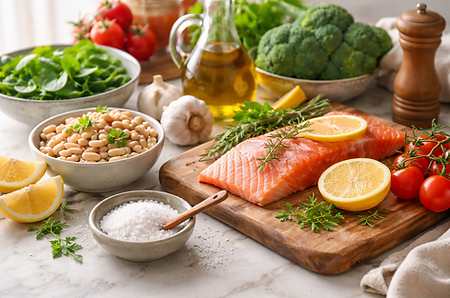
Sodium as Daily Input

Listen to This Page
The written text on this page serves as the full and official version of this content
Sodium is an essential mineral the body relies on every day. It supports fluid balance, nerve signaling, muscle function, and circulation. Because these processes are continuous, sodium must be available in appropriate amounts through regular intake. Sodium is not inherently harmful. The key is how intake fits into overall daily patterns, including food quality, hydration, and individual conditions.
Why Sodium Balance Matters
Sodium helps regulate:
-
fluid balance inside and outside cells
-
blood volume and circulation
-
nerve signal transmission
-
muscle contraction, including the heart
It primarily functions in the bloodstream and extracellular fluid, helping control water movement and electrical signaling. The kidneys continuously regulate sodium through filtration and reabsorption, guided by hydration status and physiological demand. Balanced intake supports stable function. Both excess and deficiency can disrupt this balance.
When Sodium Intake Becomes Imbalanced
Excess intake
Consistently high sodium—especially from processed foods—may contribute to:
-
elevated blood pressure
-
increased cardiovascular strain
-
fluid retention in some individuals
Most excess sodium comes from packaged and restaurant foods, not added salt at home.
Too little sodium
Low sodium is less common but can occur with:
-
prolonged vomiting or diarrhea
-
heavy sweating without replacement
-
certain medications (e.g., diuretics)
-
kidney or endocrine conditions
Possible symptoms include fatigue, dizziness, headache, nausea, muscle cramping, and, in severe cases, confusion. Medical evaluation is important for significant imbalance.
Common Sources of Sodium
Higher-sodium foods:
-
canned soups
-
deli and processed meats
-
fast food and restaurant meals
-
frozen meals
-
sauces, dressings, condiments
-
breads and wraps
-
snack foods and packaged items
-
cheese, instant meals
Lower-sodium foods (unless salt is added):
-
vegetables and fruits
-
beans and legumes
-
whole grains
-
yogurt, eggs, fish
-
unprocessed meats
Practical Support for Sodium Balance
For most people, balance comes from improving food patterns rather than eliminating salt.
-
Emphasize whole foods
Meals built around minimally processed ingredients naturally contain less sodium. -
Use salt intentionally
Salt added during cooking is easier to control than hidden sodium in packaged foods. Flavor can also come from herbs, spices, garlic, citrus, and vinegar. -
Read nutrition labels
Similar products can vary widely in sodium content. -
Reduce ultra-processed foods
Frequent reliance on packaged and fast foods significantly increases intake. -
Support potassium-rich foods
Potassium helps balance sodium and supports blood pressure regulation. Sources include vegetables, beans, potatoes, fruit, and yogurt.
Adjust Intake to Context
Sodium needs vary depending on conditions:
-
Heat and sweating
Sodium is lost in sweat. Higher intake may be needed during prolonged heat or physical labor. -
Physical activity
Moderate activity usually requires no major adjustment, but endurance exercise increases sodium loss. -
Illness
Vomiting, diarrhea, or fever can disrupt electrolyte balance. Fluids with sodium (e.g., broths) may help during recovery. -
Medications
Some medications, such as diuretics, increase sodium loss. -
Kidney or cardiovascular conditions
These may require individualized sodium guidance from a healthcare provider.
Diagnosis, Identity & Biological Response
Understanding sodium-related concerns involves three parts:
-
Diagnosis — measurable condition (e.g., high blood pressure, low sodium)
-
Identity — contributing factors (diet, hydration, medications, environment)
-
Biological response — how the body adjusts through kidneys, hormones, and fluid balance
Addressing underlying factors often supports more effective outcomes than focusing on symptoms alone.
How the Body Self-Regulates and How to Support It
The body continuously adjusts sodium through kidney function and hormonal signaling:
-
higher intake → increased excretion
-
lower intake or fluid loss → increased retention
Support this process by:
-
emphasizing whole or minimally processed foods
-
limiting heavily processed foods
-
maintaining balanced hydration
-
including potassium-rich foods
-
adjusting intake during heat, illness, or increased activity
When these are in place, the body is usually able to maintain stable sodium balance.
Key Point
Sodium is essential. The goal is not elimination, but appropriate balance. For most people, this is supported by whole foods, reduced reliance on processed foods, adequate hydration, and adjusting intake based on daily conditions.
Scientific & Public Health References
-
World Health Organization — Sodium Reduction
-
U.S. Food and Drug Administration — Sodium in Your Diet
-
Centers for Disease Control and Prevention — Sodium and Health
-
National Institutes of Health — Electrolytes and Fluid Balance
