

Complementary Approaches:
Exploring Supportive Tools Beyond the Foundations
Listen to This Page
The written text on this page serves as the full and official version of this content

Complementary approaches may add meaningful support when built on strong foundations such as sleep, nourishment, movement, environment, connection, and stress recovery. If those foundations are strained, improving them first often creates the greatest return. This section is here to help you explore thoughtfully, reduce overwhelm, and choose tools that fit real life. Look for reasonable evidence, qualified practitioners when needed, realistic expectations, and a pace that feels sustainable. Notice whether an approach improves comfort, function, consistency, or quality of life.
Explore the sections that attract your attention.
Mind & Emotional Well-Being
• Breath, Mind-Body & Relaxation
• Creative Expression & the Healing Arts
• Purpose, Intention & Spiritual Well-Being
Hands-On & Physical Therapies
• Massage & Bodywork
• Acupuncture & Traditional Healing
Practices
• Heat, Cold & Water Therapies
• Mobility & Recovery Tools
Natural & Environmental Supports
• Nature-Based Therapies
• Botanical & Aromatic Supports
• Light, Sound & Frequency Supports
Nutritional Supports
• Supplements & Nutritional Support
Connection & Daily Living
• Pets & Animal Companions
• Working With Complementary Approaches Wisely
Many people also find strength, resilience, and belonging through community, shared experiences, and meaningful relationships. The biological importance of social connection is explored more deeply in the Body Foundations section.
Scientific Research & Evidence
Research on complementary approaches varies widely. Practices such as massage therapy, mindfulness meditation, yoga, acupuncture, sauna use, and structured breathing techniques have shown benefits in selected studies for stress reduction, pain management, mobility, mood, cardiovascular support, and quality of life. Other approaches have more limited, mixed, or early-stage evidence. Results often depend on the condition being addressed, the quality of the method, frequency of use, and whether foundational habits such as sleep, nutrition, movement, and stress recovery are also being supported. The strongest evidence generally supports using complementary approaches as additions to, not replacements for, standard care when needed. Useful sources for deeper review include the National Center for Complementary and Integrative Health, NIH research databases, Cochrane Reviews, major university medical centers, and peer-reviewed journals in pain medicine, rehabilitation, sleep, and behavioral health.
A Grounded Perspective
Complementary approaches can be valuable when they improve comfort, consistency, function, and quality of life. They usually work best when built on the foundations that matter most: restorative sleep, nourishing food, movement, supportive environments, stress recovery, connection, and time outdoors. The basics often carry the greatest long-term return. Complementary supports can help strengthen the path.

Breath, Mind-Body & Relaxation Practices
Listen to This Page
The written text on this page serves as the full and official version of this content
Breath, mind-body, and relaxation practices intentionally engage the connection between the body, mind, emotions, and nervous system. They create opportunities for rest, awareness, movement, and regulation. These practices are not about eliminating stress completely. They help build the capacity to move through life with greater steadiness and flexibility. Some involve stillness and quiet. Others combine movement, breath, and focused attention. There is no single “right” practice. The goal is to find what feels supportive, realistic, and sustainable.
Common Examples
Breathing Exercises
Structured breathing techniques may involve slowing the breath, lengthening the exhale, pausing between breaths, or simply noticing natural breathing patterns.
Meditation
Meditation trains attention and awareness. It may involve focusing on the breath, repeating a phrase, observing thoughts, or sitting quietly.
Mindfulness
Mindfulness means paying attention to the present moment without immediately judging, resisting, or reacting. It can be practiced while eating, gardening, walking, washing dishes, or listening to someone.
Guided Imagery
Uses spoken prompts to encourage calming mental images and positive sensory experiences.
Progressive Muscle Relaxation
Involves gently tightening and releasing muscle groups to notice and reduce tension.
Body Scan Practices
Invite attention to move through the body, noticing sensations with curiosity rather than judgment.
Yoga
Combines movement, breathing, and focused attention. It can be vigorous, gentle, restorative, chair-based, or adapted for different abilities.
Tai Chi
A slow, flowing movement practice often described as “meditation in motion.” It has been studied for balance, mobility, and confidence, especially in older adults.
Qigong
Combines gentle movement, breathing, focused attention, and stillness. Many forms are simple and adaptable.
Yoga Nidra
A deeply restful guided practice, often done lying down or seated, that promotes relaxation while remaining awake.
Gratitude and Reflection Practices
May include journaling, prayer, evening reflection, or sharing gratitude with others.
Consistency is often more important than duration. Even a few minutes practiced regularly may offer support over time.
What It May Support
These practices may support:
• Stress reduction
• Nervous system calming
• Emotional regulation
• Self-awareness
• Sleep quality
• Focus and concentration
• Reduced overwhelm
• Resilience during difficult periods
• Chronic pain support
• Balance and mobility through gentle movement
• Connection and well-being
Benefits often develop gradually through consistency rather than perfection.
What the Research Suggests
Mind-body practices are among the more widely studied complementary approaches. Research suggests that breathing exercises, mindfulness, meditation, yoga, tai chi, and qigong may help reduce perceived stress and improve quality of life for many people. Studies also suggest benefits for sleep, anxiety symptoms, emotional well-being, coping with chronic health conditions, balance, flexibility, strength, and confidence in some populations. These practices are not cures, but they can be valuable supportive tools within a broader plan of care.
What to Expect
There is no single right way to practice.
Breathing exercises may bring a gradual sense of settling, reduced tension, more calm, and a better ability to pause.
Meditation and mindfulness may include distraction, restlessness, or difficulty sitting still at first. A wandering mind is normal.
Yoga, tai chi, and qigong may support flexibility, balance, body awareness, coordination, confidence, and relaxation through movement. Many practices can be adapted, including seated options.
Guided relaxation, body scans, and yoga nidra may support rest, sleep transitions, emotional steadiness, and reduced mental clutter.
Gratitude and reflection may support perspective, appreciation, connection, and awareness of personal strengths.
Safety Considerations
These practices are generally safe for most people, but adaptation matters. Speak with a healthcare provider or qualified instructor if you have:
• Significant mobility limitations
• Recent surgery or injury
• Balance concerns
• Severe cardiovascular conditions
• Chronic respiratory conditions needing modifications
• Trauma history that may make stillness uncomfortable
• Mental health conditions that could be intensified by prolonged meditation
Move within your comfort level. Avoid painful positions, forcing stretches, dizziness, chest pain, or significant distress. Seated and chair-based options are available. If silence or stillness increases anxiety, movement-based or guided practices may be a better fit. There is no benefit in pushing through discomfort to meet an ideal.
Is This a Good Fit for You?
These practices may be worth exploring if you feel chronically busy, overstimulated, or affected by stress; want low-cost tools you can practice independently; enjoy quiet reflection or gentle movement; or want practices that can adapt through different stages of life. The best practice is the one you are willing to return to regularly.
Everyday Ways to Begin
Simple ways to begin include:
• Taking three slower breaths before meals
• Spending five minutes outdoors noticing your surroundings
• Stretching gently upon waking
• Walking without headphones for a few minutes
• Practicing gratitude before bedtime
• Listening to a short guided relaxation
• Trying beginner yoga, tai chi, or qigong
• Relaxing your jaw and shoulders during the day
• Paying full attention to simple tasks like dishes, gardening, or preparing food
• Writing down one meaningful thing at the end of the day
• Pausing before responding during stressful moments
Small practices repeated consistently often become the most supportive.
Learn More
This information is intended for educational purposes only and is not medical advice. Complementary approaches are best viewed as additions to not replacements for strong foundations and appropriate medical care when needed.
Breath, movement, stillness, and attention require no special talent. The goal is not to empty the mind, eliminate stress, or achieve perfection. It is to create space for restoration, awareness, and a more compassionate relationship with yourself.
Sometimes the simplest practices are the most meaningful: a slower breath, a few moments of gratitude, gentle movement, or the willingness to pause and notice the life unfolding around you.

Creative Expression & the Healing Arts
Listen to This Page
The written text on this page serves as the full and official version of this content
Creative expression and the healing arts are a natural part of being human. People have always used painting, music, dance, storytelling, crafts, rituals, and shared traditions to give shape to joy, grief, hope, memory, and healing. Today, creative activities are increasingly used in hospitals, cancer centers, rehabilitation programs, dementia care communities, mental health settings, and hospice programs as complementary supports. Research suggests that creative expression may support emotional well-being, stress recovery, social connection, cognitive engagement, and quality of life. Creative expression is not about talent, perfection, or producing something worthy of display. It is about participating in the process of creating.
Examples include:
• Drawing, painting, and coloring
• Music, singing, and playing instruments
• Dance and movement
• Writing, journaling, and poetry
• Storytelling and memory projects
• Crafting, knitting, sewing, quilting, and woodworking
• Photography, scrapbooking, drama, and expressive arts groups
The creative process often matters more than the final product.
What It May Support
Creative expression may support:
• Stress reduction
• Emotional expression
• Nervous system regulation
• Improved mood
• Self-awareness
• Purpose and meaning
• Social connection
• Confidence
• Cognitive stimulation
• Memory and reminiscence
• Grief processing
• Coping with chronic illness
• Joy, playfulness, and quality of life
Creative practices can also provide rest from the constant demands and problem-solving of daily life.
What the Research Suggests
Research on creativity and health has grown in recent years. Studies suggest that creative activities may be associated with reduced stress, improved mood, lower anxiety in some groups, enhanced coping, increased social engagement, reduced loneliness, cognitive stimulation, and improved quality of life. Music therapy, art therapy, dance and movement therapies, and expressive writing have shown benefits in certain settings. Creative programs are now used in hospitals, cancer care, rehabilitation, schools, dementia care, mental health programs, hospice, and veterans’ programs. Responses vary from person to person. Creative expression is best viewed as a supportive practice, not a cure.
Different Forms of Creative Expression
Visual Arts
Drawing, painting, coloring, collage, and sculpture can help express feelings, support focus, encourage relaxation, and create beauty or meaning. No artistic experience is required.
Music and Singing
Listening to music, singing, or playing an instrument may support mood, memory, emotional expression, breathing awareness, movement, ritual, and connection with others.
Dance and Movement
Dance allows the body to participate in expression. It may support mood, confidence, balance, coordination, tension release, and playfulness. The goal is participation, not performance.
Writing and Storytelling
Journaling, poetry, letters, and storytelling can help organize thoughts, process emotions, preserve memories, share family history, and strengthen a sense of identity and belonging.
Crafting and Handwork
Knitting, quilting, sewing, pottery, woodworking, and similar activities may support focus, patience, stress recovery, fine motor skills, social connection, and a sense of accomplishment.
Is This a Good Fit for You?
Creative expression may be worth exploring if you long for more joy, need an outlet for stress, enjoy learning, miss hobbies you once loved, want meaningful connection, or are curious about discovering new parts of yourself. You do not need talent, training, or expensive supplies. The best creative practice is often the one you look forward to returning to.
Everyday Ways to Begin
Simple ways to begin include:
• Coloring while listening to music
• Singing while cooking or driving
• Keeping a gratitude journal
• Writing letters to loved ones
• Taking photographs during walks
• Dancing in the living room
• Making cards or seasonal crafts
• Joining a choir, class, or craft group
• Knitting, sewing, or woodworking
• Collecting family stories
• Doodling while thinking through ideas
Small moments of creativity, practiced consistently, can become meaningful sources of restoration.
Safety Considerations
Creative expression is generally safe and accessible for most people. Adapt activities to your physical abilities, modify repetitive tasks if pain develops, use protective equipment when needed, and pace yourself if fatigue is present. If formal expressive therapy involves trauma processing or intense emotional material, professional guidance may be helpful. Creativity is not another task to accomplish. It is an invitation to engage with life.
Learn More
This information is intended for educational purposes only and is not medical advice. Complementary approaches are best viewed as additions to not replacements for strong foundations and appropriate medical care when needed.
Creative expression reminds us that health is more than the absence of disease. Human beings are makers, storytellers, singers, dancers, builders, dreamers, and meaning-makers.
A sketch in a notebook, a favorite song, the rhythm of knitting needles, a story shared at the table, or a dance in the kitchen can become a quiet expression of hope, resilience, and joy.
Sometimes healing comes through words. Sometimes through color, movement, music, or the work of our hands. In giving shape to our experiences, we often discover that we are still growing, adapting, and creating lives that reflect what matters most.

Purpose, Intention & Spiritual Well-Being
Listen to This Page
The written text on this page serves as the full and official version of this content
Health involves more than physical function alone. During illness, recovery, loss, major life changes, or everyday challenges, many people look for comfort, strength, hope, and purpose. For some, this comes through religious faith or spiritual practices. For others, it comes through personal values, meaningful relationships, service, time in nature, creativity, or a clear sense of purpose. Research suggests that meaning, purpose, and spiritual or religious practices may support emotional well-being, resilience, stress recovery, healthy coping, and overall quality of life. These practices are not replacements for medical care, but they may complement strong foundations and supportive lifestyle practices.
Practices That May Support Meaning & Well-Being
Prayer
Personal or shared prayer may provide comfort, hope, gratitude, forgiveness, guidance, and connection.
Meditation & Contemplation
Quiet reflection, meditation, or contemplation may help create space for insight, spiritual practice, value clarification, or rest from daily demands.
Gratitude Practice
Noticing moments of gratitude may support optimism, resilience, and appreciation for sources of meaning and support, even during difficult times.
Reflection & Journaling
Writing and reflection can help people explore values, experiences, relationships, goals, and personal growth.
Worship & Faith Communities
Religious services or faith communities may offer encouragement, shared values, social connection, service opportunities, and emotional support.
Sacred or Inspirational Writings
Sacred texts, devotional materials, poetry, or inspirational books may reinforce hope, wisdom, and personal values.
Intention Setting
Beginning the day with one or two meaningful intentions may help guide choices and encourage actions that align with personal values.
Mental Rehearsal & Visualization
Realistic visualization may help prepare for healthy habits, important conversations, or challenging situations when paired with practical action.
Purposeful Goal Setting
Breaking meaningful goals into small daily steps can help transform intention into sustainable habits.
Acts of Kindness & Service
Volunteering, mentoring, caregiving, or simple acts of kindness may strengthen purpose and connection.
Time in Nature
Nature may encourage peace, awe, gratitude, reflection, and a deeper connection with the living world.
Meaningful Rituals
Personal, family, cultural, or religious rituals can provide comfort during celebration, transition, grief, or uncertainty.
Values-Based Living
Clarifying values can help guide decisions, relationships, work, and long-term goals. Values offer a steady compass through changing circumstances.
Potential Benefits
Purpose, meaning, and spiritual well-being may support:
• Emotional well-being
• Resilience during stress or adversity
• Healthy coping skills
• Reduced loneliness
• Hope and optimism
• Stress recovery
• Social connection
• Healthy lifestyle choices
• Greater life satisfaction
• Overall quality of life
Individual experiences vary, and no single practice is right or necessary for everyone.
How These Practices May Support Health
Scientists continue to study the relationship between purpose, spirituality, and health. Several influences may work together, including reduced chronic stress, stronger social support, improved emotional regulation, greater hope, more opportunities for gratitude and forgiveness, quiet reflection, and increased motivation to care for the body. Together, these may support nervous system function, sleep, emotional well-being, immune function, and quality of life.
Practical Ways to Begin
Practices that support meaning and purpose do not need to be complicated. Consider:
• Beginning the day with one or two intentions
• Spending a few quiet minutes in prayer, meditation, or reflection
• Practicing gratitude
• Keeping a journal
• Reading sacred or inspirational writings
• Spending time in nature
• Participating in a faith or community group
• Volunteering or helping others
• Reflecting on personal values and goals
• Creating simple daily or seasonal rituals
Choose practices that genuinely reflect your beliefs, values, and life experience.
A Balanced Perspective
Purpose, intention, and spiritual well-being are deeply personal. Some people find them through organized religion. Others find them through nature, relationships, creativity, service, cultural traditions, or personal reflection. Some may not identify as spiritual at all but still benefit from clear values, meaningful goals, and a sense of purpose. There is no single path that is right for everyone. What matters is discovering practices that foster hope, resilience, connection, and purpose while respecting individual beliefs and cultures. Purpose and spiritual practices should not replace appropriate medical care. They may serve as complementary supports for emotional well-being, resilience, and quality of life.
At SoilToSelfLiving, we recognize that people are nourished not only by food, movement, sleep, and supportive environments, but also by meaning, purpose, hope, and connection. These experiences remind us that health is influenced by the whole of human life.
Massage and bodywork include hands-on practices that may support relaxation, comfort, circulation, movement, and recovery. Sessions may involve gentle touch, deeper pressure, stretching, rhythmic movements, or work focused on specific areas of tension or discomfort. People may use massage for general well-being, stress relief, muscle tension, recovery after activity, or support during difficult seasons. There is no single “right” type of bodywork. The most helpful approach is the one that feels safe, supportive, realistic, and meaningful for you.
Common Examples
Swedish Massage
Uses long, flowing strokes and gentle kneading. It is often chosen for relaxation, stress reduction, general muscle tension, circulation, emotional well-being, and sleep support.
Deep Tissue Massage
Uses slower strokes and firmer pressure to reach deeper muscle and connective tissue. It may support chronic tightness, repetitive strain, persistent muscular discomfort, and mobility. Temporary soreness may occur afterward.
Myofascial Release
Focuses on fascia, the connective tissue surrounding muscles and other structures. It may support ease of movement, posture, body awareness, and chronic tension patterns.
Reflexology
Applies pressure to areas of the feet, hands, or ears. Many people use it for relaxation, stress reduction, balance, and a soothing non-invasive experience.
Lymphatic Massage
Uses very gentle, rhythmic techniques intended to encourage lymphatic flow. It may be used for mild fluid retention, relaxation, or recovery after certain surgeries when medically appropriate. Specialized training is important.
Shiatsu
A Japanese bodywork practice using finger, thumb, and palm pressure, often combined with stretching. It is usually performed fully clothed and may support relaxation, stress reduction, tension relief, and a sense of balance.
Craniosacral Therapy
Uses very gentle touch and subtle techniques. Evidence remains limited, but some people find it deeply calming and supportive for relaxation, stress recovery, tension, and body awareness.
Sports Massage
Supports physically active people before or after activity. It may help with muscle tightness, flexibility, mobility, recovery, and maintaining activity routines.
Prenatal Massage
Adapted for pregnancy and may support comfort, relaxation, lower back discomfort, swelling, and self-care. Practitioners should have prenatal training.
What It May Support
Massage and bodywork may support:
• Relaxation and stress reduction
• Temporary relief of muscle soreness and tension
• Recovery after physical activity
• Improved comfort during movement
• Greater body awareness
• Emotional well-being
• Sleep quality in some individuals
• A sense of connection, care, and slowing down
Responses vary. Benefits often build through consistent use rather than a single session.
What the Research Suggests
Massage therapy is one of the more widely studied complementary approaches. Research suggests it may help reduce perceived stress, support relaxation, ease some types of musculoskeletal discomfort, and improve quality of life for some people. Evidence is strongest for stress reduction and short-term relief of muscle tension and soreness. Research on other forms of bodywork continues to grow, but the quality and amount of evidence vary by technique. Massage is not a cure for underlying medical conditions, but many people find it helpful as part of a broader plan that includes strong daily foundations.
What to Expect
A session may last 30 to 90 minutes. Before beginning, the practitioner may ask about discomfort, injuries, surgeries, health conditions, pressure preferences, activity level, stress patterns, and goals. During treatment, communication is important. Pressure should feel appropriate and adjustable. Depending on the technique, you may remain clothed or be properly draped. Practitioners should explain what they are doing and respect personal boundaries. Afterward, some people feel relaxed or energized. Others may notice temporary tenderness, especially after deeper work. Gentle movement, water, and rest may help you return comfortably to your day.
Safety Considerations
Massage is generally well tolerated, but some situations require caution or medical guidance. Speak with a healthcare provider or trained practitioner if you have:
• Blood clotting disorders
• Recent surgery
• Open wounds or skin infections
• Significant osteoporosis or fragile bones
• Severe swelling of unknown cause
• Active cancer treatment
• Pregnancy, especially higher-risk pregnancy
• Recent fractures or acute injuries
• Significant cardiovascular concerns
Always communicate discomfort. Pressure should never feel intolerable. Tell the practitioner about medications, health changes, and special concerns. Safety, consent, and clear communication are essential.
Is This a Good Fit for You?
Massage and bodywork may be worth exploring if you enjoy therapeutic touch, carry stress in your muscles, experience recurring tension, want support after physical activity, or find that relaxation improves your well-being. The best complementary supports are usually the ones that fit your comfort level, goals, schedule, and budget.
Everyday Ways to Begin
You do not always need a formal appointment to use some of the principles behind bodywork. Simple options include:
• Gentle self-massage of the hands, feet, neck, or shoulders
• Using a tennis ball against a wall for mild tension
• Foam rolling after activity
• Stretching with attention to areas of tightness
• Light shoulder massage from a trusted partner
• Soaking and gently massaging the feet
• Pausing to relax the jaw, shoulders, and hands
• Creating a few minutes of intentional relaxation before bed
Small moments of care, practiced consistently, can support comfort and body awareness.
Learn More
This information is intended for educational purposes only and is not medical advice. Complementary approaches are best viewed as additions to not replacements for strong foundations and appropriate medical care when needed. Massage and bodywork are not about fixing every discomfort. They offer a way to slow down, reconnect with the body, and support comfort, relaxation, and recovery in ways that fit everyday life. Sometimes the greatest benefit comes not only from easing tension, but from remembering that the body deserves attention, care, and compassion.
Massage & Bodywork

Listen to This Page
The written text on this page serves as the full and official version of this content

Acupuncture & Traditional Practices
Listen to This Page
The written text on this page serves as the full and official version of this content
Acupuncture and traditional practices have been used for centuries to support comfort, relaxation, and overall well-being. These approaches come from long-standing cultural systems that often view health through balance, daily rhythms, and the relationship between the body, lifestyle, and environment. Acupuncture uses very thin, sterile needles placed at selected points on the body by a trained practitioner. Related practices may include acupressure, cupping, gua sha, moxibustion, herbal traditions, and lifestyle guidance. People may explore these approaches for specific concerns or as part of a broader plan to support resilience and quality of life. The goal is to find what feels safe, supportive, realistic, and aligned with your values.
Common Examples
Acupuncture
Uses thin, sterile needles at selected points. People often seek it for back or neck discomfort, osteoarthritis-related pain, headaches, stress, sleep concerns, nausea, digestive upset, and recovery support.
Acupressure
Uses finger or hand pressure instead of needles. It may support relaxation, tension relief, occasional nausea, stress reduction, and simple self-care.
Cupping
Uses cups that create gentle suction on the skin. It may support muscle tightness, recovery after activity, relaxation, and areas of chronic tension. Temporary circular marks are common.
Gua Sha
Uses a smooth-edged tool to stroke the skin. It may support muscle tension, relaxation, recovery after repetitive activity, and self-care routines.
Moxibustion
Uses heat from burning compressed herbs near selected points. Because heat is involved, it should be performed by trained practitioners.
Traditional Herbal Practices
May include herbs, teas, or plant preparations. These should be used thoughtfully because they can interact with medications or health conditions.
Lifestyle and Seasonal Guidance
Traditional systems may also consider sleep, eating patterns, movement, stress, rest, and seasonal changes.
What It May Support
Acupuncture and traditional practices may support:
• Temporary relief of certain types of pain and discomfort
• Stress reduction and relaxation
• Tension headaches and neck discomfort
• Nausea and digestive upset
• Sleep quality in some individuals
• Recovery from physical or emotional stress
• General feelings of well-being
Responses vary. Some people notice changes quickly, while others experience gradual benefits over several sessions.
What the Research Suggests
Acupuncture is one of the more widely studied traditional practices in complementary health care. Research suggests it may help with certain types of chronic pain, including back pain, neck pain, osteoarthritis-related discomfort, and some headache conditions. It has also shown promise for nausea related to surgery, pregnancy, and some medical treatments. Evidence for cupping, gua sha, and moxibustion is still developing, and research quality varies. These practices are best viewed as supportive tools rather than cures.
What to Expect
An acupuncture visit usually begins with questions about health history, lifestyle, sleep, stress, and goals. During treatment, thin sterile needles are placed at selected points and usually remain in place for 15 to 30 minutes.
Most people report little discomfort. Sensations may include warmth, heaviness, tingling, dull aching, calm, or sleepiness. Other traditional practices may involve pressure, suction, gentle scraping, heat, or lifestyle recommendations, depending on the approach used.
Safety Considerations
Work with qualified practitioners and share your health history, medications, supplements, and concerns. Use caution or seek medical guidance if you have:
• Bleeding disorders
• Blood-thinning medications
• Pregnancy
• A pacemaker or implanted device
• Significant immune suppression
• Active infections
• Skin conditions in treatment areas
• Lymphedema
• Recent surgery
• Cancer treatment concerns
Acupuncture should always use single-use sterile needles. Cupping and gua sha may leave temporary marks. Herbal products may interact with medications and should be used carefully.
Is This a Good Fit for You?
These approaches may be worth exploring if you prefer whole-person support, want non-drug strategies to complement your care, value traditional systems, and feel comfortable working with a qualified practitioner. No single approach works for everyone. The goal is to notice whether it improves comfort, resilience, or daily quality of life.
Everyday Ways to Begin
Simple ways to explore related principles include:
• Learning gentle acupressure from reliable sources
• Practicing mindful breathing
• Choosing herbal teas that fit your health needs
• Paying attention to seasonal rhythms
• Creating short moments of rest
• Trying gentle movement such as tai chi or qigong
• Noticing how sleep, stress, food, and activity affect how you feel
Small, steady practices can help you better understand how your body responds to stress, rest, activity, and recovery.
Learn More
This information is intended for educational purposes only and is not medical advice. Complementary approaches are best viewed as additions to not replacements for strong foundations and appropriate medical care when needed. Acupuncture and traditional practices remind us that health is rarely shaped by one treatment alone. It is influenced by how we rest, move, nourish ourselves, respond to stress, and pay attention to what helps us feel more at home in the body.

Heat, Cold & Water Therapies
Listen to This Page
The written text on this page serves as the full and official version of this content
Heat, cold, and water therapies have been used across cultures to support comfort, recovery, relaxation, and resilience. These approaches use temperature or water to create physical responses in the body. Some methods promote relaxation and ease tension. Others support recovery after activity or help the body gradually adapt to physical stress. There is no single “right” method. The goal is to find what feels safe, supportive, practical, and sustainable.
Common Examples
Warm Baths
May ease everyday aches, support relaxation, encourage bedtime routines, and create moments of quiet self-care.
Epsom Salt Baths
Often used for tired muscles, stress relief, recovery after activity, and evening routines. Research on magnesium absorption through the skin is limited, but many people find these baths relaxing.
Heating Pads and Warm Compresses
Provide localized warmth for muscle tension, stiffness, lower back discomfort, menstrual comfort, or relaxation before sleep.
Steam Rooms and Saunas
Use moist or dry heat to support relaxation, sweating, recovery, and rest. Traditional saunas use dry heat, while infrared saunas use radiant heat and may feel more tolerable for some people.
Cold Packs
Used briefly for localized cooling after minor strains, overuse, swelling, or soreness.
Cold Showers and Cold-Water Immersion
May increase alertness, support recovery, build tolerance to discomfort, and create a sense of vitality. These should be approached gradually.
Contrast Therapy
Alternates heat and cold. People often use it for recovery, stiffness, tired legs, or invigorating wellness routines.
Hydrotherapy
Includes foot soaks, whirlpool baths, warm pools, aquatic exercise, and alternating warm and cool water. Water can reduce joint stress and provide a soothing sensory experience.
What It May Support
Heat, cold, and water therapies may support:
• Temporary relief of soreness and stiffness
• Relaxation and stress reduction
• Recovery after physical activity
• Sleep preparation
• Improved flexibility before movement
• Reduced swelling after some acute injuries
• Comfort during muscle tension
• Feelings of rejuvenation
• Circulation through natural blood vessel responses
• Confidence and resilience through gradual adaptation
Benefits vary depending on the person, method, and consistency.
What the Research Suggests
Research supports heat for easing muscle tension, improving comfort, and increasing flexibility before activity. Warm water may also support relaxation and well-being.
Cold therapy may help reduce pain and swelling after some acute injuries and may support recovery after intense activity. Timing, duration, and personal health status matter.
Sauna use has been associated with relaxation, cardiovascular health markers, and quality of life in some populations. Research on infrared saunas and contrast therapy continues to grow, but results vary.
These therapies are best viewed as supportive tools, not cures or replacements for strong daily foundations.
What to Expect
Heat therapies may create warmth, relaxation, looser muscles, perspiration, reduced stiffness, or sleepiness afterward.
Sauna sessions often range from 5 to 20 minutes depending on tolerance.
Cold therapies may create an initial shock, faster breathing, alertness, temporary numbness, or invigoration afterward. Starting gradually usually feels more comfortable.
Contrast therapy may feel stimulating and refreshing. Protocols vary, and there is no single correct method.
Baths and hydrotherapy often provide comfort, quiet, and rest. Sometimes the ritual itself becomes as valuable as the physical effects.
Safety Considerations
Heat, cold, and water therapies are generally well tolerated when used thoughtfully, but they are not appropriate for everyone. Speak with a healthcare provider before beginning if you have:
• Heart disease or significant cardiovascular concerns
• Uncontrolled high or low blood pressure
• Diabetes with reduced sensation or neuropathy
• Raynaud’s phenomenon
• Pregnancy
• Seizure disorders
• Kidney disease
• Circulation problems
• A history of heat illness
• Open wounds or active infections
Additional safety tips:
• Avoid alcohol before sauna or cold immersion.
• Stay hydrated.
• Do not force extreme temperatures.
• Stop if you feel dizzy, faint, nauseated, confused, or unwell.
• Approach cold exposure gradually.
• Use caution with children, older adults, and chronic health conditions.
• Do not fall asleep on heating pads.
• Test water temperature carefully if sensation is reduced.
Listening to the body’s signals is essential.
Is This a Good Fit for You?
These approaches may be worth exploring if you enjoy warmth, cooling, water, relaxation rituals, recovery practices, or simple tools that can be adapted at home. You do not need extremes to benefit. Gentle, consistent practices are often enough.
Everyday Ways to Begin
Simple ways to begin include:
• Taking a warm bath before bed
• Using a heating pad for temporary muscle tension
• Applying a cold pack after minor overuse
• Ending a shower with 15 to 30 seconds of cooler water
• Soaking tired feet
• Stretching after a warm shower
• Trying gentle movement in a warm pool
• Creating an evening ritual with warmth, dim light, and rest
• Increasing tolerance gradually
Supportive practices do not need to be elaborate to be meaningful.
Learn More
This information is intended for educational purposes only and is not medical advice. Complementary approaches are best viewed as additions to not replacements for strong foundations and appropriate medical care when needed.
Heat, cold, and water remind us that some of the oldest forms of comfort are also among the simplest. A warm bath, cool water on tired muscles, a warm compress, or a quiet foot soak can become small acts of care woven into everyday life.
The goal is not to push the body beyond its limits. It is to support it with curiosity, respect, and consistency.

Mobility & Recovery Tools
Listen to This Page
The written text on this page serves as the full and official version of this content
Mobility and recovery tools are practical supports that may help ease tension, encourage movement, promote recovery, and support the body through everyday physical demands. People may use these tools after exercise, gardening, desk work, travel, standing for long periods, hiking, caregiving, or navigating changes that come with aging. Many can be used at home with little time or expense. These tools are not meant to force the body beyond its limits. The goal is to find what feels supportive, practical, and sustainable.
Common Examples
Foam Rollers
Used on larger muscle groups such as the thighs, calves, hips, gluteal muscles, and upper back. They may help ease soreness, reduce stiffness, prepare muscles for activity, and increase awareness of tension patterns.
Massage Balls
Provide targeted pressure for smaller areas such as the feet, hands, forearms, shoulders, hips, and upper back. A simple tennis ball is often enough to begin.
Percussion Massage Devices
Handheld tools that deliver rapid pulses to muscles. They may help warm muscles, ease soreness, and support recovery after demanding activity. Pressure should never feel painful.
Stretching Straps
Support controlled stretching for the hamstrings, calves, hips, shoulders, and lower back. They can help improve flexibility and adapt movement for different ability levels.
Compression Supports
Compression socks or sleeves provide gentle pressure and may support tired legs, travel comfort, mild swelling under guidance, and recovery after activity.
Recovery Boots
Use inflatable chambers to provide sequential compression to the legs. Some people use them for post-exercise recovery, leg heaviness, relaxation, or long days of standing.
Mobility Sticks
Used for shoulder mobility, chest opening, spinal movement, hip mobility, posture, and balance exercises. A simple dowel can work well.
Resistance Bands
Versatile tools for strengthening the arms, shoulders, back, chest, core, hips, and legs. They are often used for strength, joint stability, rehabilitation exercises, and healthy aging.
Hand Therapy Tools
Therapy putty, grip tools, exercise balls, and finger bands may support grip strength, dexterity, stiffness, and recovery under professional guidance.
Walking Poles
Provide support, balance, and confidence during walking or hiking. They may help reduce joint stress and encourage longer, more comfortable movement.
Other helpful tools may include foot rollers, balance pads, yoga blocks, bolsters, slant boards, and trigger point canes. You do not need many tools. One or two well-chosen supports may be enough.
Choosing What Fits
Before choosing a tool, ask:
• What am I hoping to support?
• What part of my body needs help?
• Do I prefer gentle support or deeper pressure?
• Will I realistically use this?
• Do I have health conditions that require guidance?
• Can I begin simply?
A low-cost tool used regularly may be more helpful than an expensive device that stays in a closet.
When to Seek Guidance
Consider asking a physical therapist, occupational therapist, athletic trainer, fitness professional, or healthcare provider:
• Is this appropriate for my situation?
• What type would fit my goals?
• How often should I use it?
• How will I know if it is helping?
• When should I avoid it or stop?
Guidance can be especially helpful when health conditions, injuries, balance concerns, or pain are involved.
What It May Support
Mobility and recovery tools may support:
• Temporary relief of muscle tightness and soreness
• Recovery after activity or demanding work
• Flexibility and range of motion
• Body awareness
• Confidence with movement
• Reduced stiffness
• Healthy aging and independence
• Comfort during daily activities
• Motivation to maintain movement routines
Benefits vary by person, tool, and consistency of use.
What the Research Suggests
Research continues to evolve. Foam rolling has shown promise for short-term flexibility, reduced perceived soreness, and post-exercise comfort. Compression garments and recovery boots may help reduce leg fatigue and support recovery in some people. Stretching tools and resistance bands are widely used in rehabilitation and fitness settings for strength, mobility, and functional movement. Evidence for percussion devices is growing, with some studies suggesting benefits for perceived soreness and short-term range of motion. These tools are best viewed as supportive additions, not essential requirements.
Safety Considerations
Mobility and recovery tools are generally safe when used thoughtfully, but caution matters. Speak with a healthcare provider or physical therapist if you have:
• Recent surgery
• Osteoporosis or fragile bones
• Significant cardiovascular disease
• Acute injuries
• Joint instability
• Blood clotting disorders
• Significant swelling of unknown cause
• Neurological conditions affecting sensation or balance
• Chronic conditions requiring specialized guidance
Begin gradually. Avoid excessive pressure. Do not work directly over open wounds, fractures, or areas of acute inflammation. Stop if you experience sharp pain, dizziness, numbness, or worsening symptoms. More intensity does not necessarily create better results.
Is This a Good Fit for You?
These tools may be worth exploring if you want practical supports you can use independently, experience stiffness from work or aging, enjoy staying active, are recovering from demanding activity, or value maintaining comfort, mobility, and independence. The best recovery routine is often the one you can return to consistently.
Everyday Ways to Begin
Simple ways to begin include:
• Rolling your feet over a tennis ball
• Using a foam roller after gardening or exercise
• Stretching with a strap after a warm shower
• Keeping a massage ball near your desk
• Wearing compression socks during travel or long standing days
• Using resistance bands for short strength sessions
• Taking walking poles outdoors for confidence and support
• Spending a few minutes noticing tight areas and responding gently
Small routines often become the most sustainable supports.
Learn More
This information is intended for educational purposes only and is not medical advice. Complementary approaches are best viewed as additions to not replacements for strong foundations and appropriate medical care when needed. Mobility and recovery tools remind us that caring for the body does not require elaborate routines or expensive equipment. A tennis ball, a stretch before bed, a resistance band, or a few minutes easing tired feet can become simple acts of stewardship. The goal is not perfection or eliminating every ache. It is to maintain comfort, encourage confidence, preserve function, and honor the body that carries us through everyday life.
Find Mobility & Balance Tools
Listen to This Page
The written text on this page serves as the full and official version of this content
Mobility and balance tools can support safer movement, steadier walking, easier daily activity, recovery, strength-building, and fall prevention. Some tools are used at home. Others are provided through physical therapy, occupational therapy, rehabilitation programs, medical supply stores, adaptive equipment companies, or community fitness programs.
Use the sections below to find products, services, and professional support for mobility, balance, and everyday function.
Walking & Mobility Support Use this section to find tools that help with walking, standing, transfers, and moving through daily life. Search Words walking cane quad cane walking poles walker rollator walker upright walker mobility aid store medical supply store near me adaptive equipment near me transfer bench bed rail grab bars shower chair raised toilet seat Where to Look medical supply stores pharmacies rehabilitation equipment suppliers physical therapy clinics occupational therapy clinics senior equipment stores home safety companies online medical equipment retailers manufacturer websites Products You May See canes walking sticks trekking poles walkers rollators upright walkers transfer aids bed rails grab bars shower chairs toilet safety frames raised toilet seats mobility scooters adaptive home equipment
Footwear, Bracing & Support Use this section to find products that support safer footing, joint stability, comfort, and confidence during movement. Search Words supportive walking shoes non-slip shoes stability shoes orthotic inserts arch support insoles ankle brace knee brace compression socks diabetic shoes adaptive footwear shoe store for balance support Where to Look podiatry offices orthotics providers medical supply stores specialty shoe stores physical therapy clinics pharmacies orthopedic footwear suppliers online footwear companies Products You May See supportive shoes non-slip shoes stability shoes orthotic inserts arch supports heel cups toe spacers ankle braces knee braces compression socks adaptive shoes diabetic footwear
Home Safety & Daily Living Tools Use this section to find tools that make bathrooms, bedrooms, kitchens, stairs, and walkways easier and safer to use. Search Words home safety equipment fall prevention home products bathroom safety equipment grab bars shower chair transfer bench toilet safety frame raised toilet seat bed rail non-slip bath mat motion sensor night light adaptive kitchen tools home safety assessment Where to Look medical supply stores home safety companies occupational therapy clinics home health agencies pharmacies senior equipment stores online medical equipment retailers adaptive equipment suppliers Products You May See grab bars shower chairs transfer benches toilet safety frames raised toilet seats bed rails non-slip mats night lights stair rails reaching tools adaptive kitchen tools chair risers portable ramps
Balance & Stability Tools Use this section to find tools that support balance practice, steadiness, coordination, and safer strengthening. Search Words balance board balance pad foam balance pad stability trainer wobble board balance disc BOSU balance trainer fall prevention equipment standing balance tools senior balance training tools balance exercise equipment Where to Look physical therapy clinics rehabilitation centers fitness equipment stores senior fitness programs fall prevention programs community exercise programs online fitness retailers manufacturer websites Products You May See balance pads wobble boards stability discs foam pads BOSU-style trainers parallel bars support rails standing exercise bars chair-based exercise tools resistance bands light hand weights
Strength, Stretching & Recovery Tools Use this section to find simple tools that support strength, flexibility, movement practice, muscle function, and recovery. Search Words resistance bands therapy bands stretching strap foam roller massage ball hand therapy tools grip strengthener pedal exerciser under desk bike chair exercise equipment mobility exercise tools physical therapy home equipment Where to Look physical therapy clinics sports stores fitness equipment stores rehabilitation suppliers medical supply stores online retailers manufacturer websites Products You May See resistance bands therapy bands stretching straps foam rollers massage balls hand therapy tools grip trainers pedal exercisers light dumbbells ankle weights chair exercise tools range-of-motion tools
What to Compare Before Buying Before choosing a mobility or balance tool, compare: what the tool is designed to help with whether it fits the person’s height, strength, and balance level whether it is for practice, support, safety, or daily function whether it can be adjusted whether it has weight limits whether it is stable on the surfaces where it will be used whether it is easy to grip or operate whether it creates a tripping hazard whether the person can use it correctly whether professional fitting or instruction is needed The best tool is not always the most expensive one. It is the one that fits the person, the home, the purpose, and the level of support needed.
Professional Services Use this section to find professional support for safer movement, balance changes, fall prevention, recovery, and adaptive equipment decisions. Search Words physical therapy near me occupational therapy near me balance therapy near me fall prevention program near me vestibular therapy near me gait training near me mobility assessment home safety assessment adaptive equipment assessment senior fitness balance class chair exercise class near me Where to Look physical therapy clinics occupational therapy clinics rehabilitation centers hospital outpatient programs senior centers community fall prevention programs podiatry offices orthotics providers home health agencies adaptive equipment specialists Services You May See balance therapy gait training fall prevention programs vestibular therapy strength and mobility programs home safety assessments adaptive equipment evaluations post-surgery rehabilitation neurological rehabilitation senior fitness classes chair-based exercise programs
When Professional Guidance Helps Professional guidance may be especially helpful when mobility or balance changes are new, worsening, or connected to a health condition. Consider Support When There Is recent falls fear of falling dizziness or vertigo new weakness balance changes neuropathy vision changes joint pain recent surgery stroke history Parkinson’s disease or tremor multiple sclerosis arthritis osteoporosis foot problems difficulty getting in or out of chairs, beds, cars, tubs, or showers Who May Help A physical therapist can help with strength, balance, walking patterns, gait, recovery, and safer movement. An occupational therapist can help with daily activities, home safety, adaptive tools, bathroom safety, kitchen tasks, and safer ways to move through the home. A podiatrist, orthotics provider, or specialty footwear professional may help when foot pain, balance, shoe fit, or foot structure affects walking.
SoilToSelf Reminder
Mobility and balance tools are not signs of weakness. They can help protect independence, confidence, safety, and daily participation. The right support can make walking, standing, bathing, exercising, gardening, shopping, and moving through the home safer and easier. The goal is to support movement in real life: steady steps, safer spaces, stronger muscles, better confidence, and more freedom to keep participating in daily activities.
Nature-Based Therapies
Listen to This Page
The written text on this page serves as the full and official version of this content
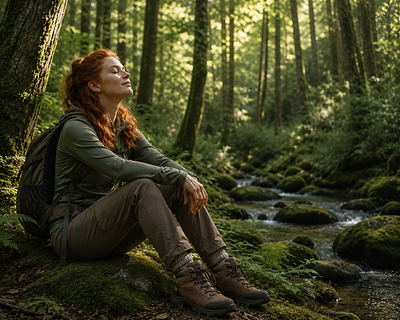
Nature has supported human health throughout history. While time outdoors cannot prevent or cure disease, research suggests that regular contact with natural environments may support physical health, emotional well-being, stress recovery, and quality of life. Nature-based therapies may be used in healthcare, rehabilitation, mental health programs, senior living communities, and wellness settings. They can also be simple everyday practices, such as gardening, walking outdoors, watching birds, or spending quiet time near trees, water, or open sky. At SoilToSelfLiving, we recognize that humans are part of the living systems around them. The environments we experience each day influence how our bodies and minds function. Spending time in nature is one way to strengthen that connection while complementing medical care and healthy lifestyle practices.
Nature-Based Activities & Therapies
Food Gardening
Growing fruits, vegetables, herbs, or edible landscapes combines movement, sunlight, fresh air, soil contact, seasonal rhythms, learning, and the satisfaction of producing nourishing food.
Gardening & Therapeutic Horticulture
Caring for flowers, native plants, trees, or ornamental gardens may support movement, flexibility, balance, creativity, patience, and a sense of accomplishment.
Forest Bathing
Forest bathing, or shinrin-yoku, focuses on slowly experiencing natural surroundings through sight, sound, touch, and smell rather than exercise.
Nature Observation
Watching birds, butterflies, wildlife, clouds, stars, or seasonal changes can encourage stillness, attention, curiosity, and mindfulness.
Nature Journaling, Photography & Sketching
Writing, drawing, or photographing natural scenes combines nature connection with creativity, reflection, and careful observation.
Conservation & Stewardship
Trail maintenance, native planting, habitat restoration, litter cleanups, and tree planting can provide meaningful activity while supporting healthier environments.
Outdoor Mindfulness & Reflection
Breathing, meditation, prayer, gratitude, or quiet reflection in natural settings may support stress recovery and emotional steadiness.
Green Exercise
Walking, hiking, cycling, stretching, yoga, tai chi, kayaking, and other outdoor activities combine movement with the restorative qualities of nature.
Nature With Animals
Walking dogs, horseback riding, or spending time outdoors with animals can combine nature, movement, companionship, and emotional support.
Water-Based Nature Experiences
Time near rivers, lakes, oceans, streams, ponds, or waterfalls may promote calm, reflection, and physical activity.
Nature Play
For children, outdoor play supports movement, imagination, problem-solving, confidence, creativity, and social development.
Potential Benefits
Regular engagement with nature may support:
• Stress recovery
• Emotional well-being
• Mood and resilience
• Attention and mental clarity
• Healthy blood pressure
• Cardiovascular health
• Immune function
• Sleep quality
• Physical activity
• Social connection
• Overall quality of life
Individual experiences vary. Nature-based therapies are supportive practices, not medical treatments.
How Nature May Support Health
Scientists continue to study why nature appears beneficial. Several influences may work together, including:
• Reduced noise and sensory overload
• Gentle physical activity
• Natural daylight that supports circadian rhythms
• Cleaner air in many natural settings
• Reduced stress hormone activity
• Opportunities for relaxation and reflection
• Greater connection with people, animals, and living environments
Nature appears to influence many biological systems at once rather than working through only one pathway.
Practical Ways to Begin
Nature-based support does not require wilderness adventures or expensive equipment. Small, consistent experiences often fit easily into daily life.
Consider:
• Growing vegetables, herbs, flowers, or native plants
• Visiting parks, gardens, or nature preserves
• Walking outdoors regularly
• Sitting beneath a favorite tree
• Watching birds or wildlife
• Eating outdoors when weather allows
• Keeping a nature journal or taking photographs
• Joining community gardens or conservation projects
• Exploring natural areas with family, friends, or pets
• Making outdoor time part of daily routines
Even brief periods of nature connection may become meaningful over time.
Safety Considerations
Natural environments can also present hazards. Consider:
• Extreme heat or cold
• Wildfire smoke or poor air quality
• Sun protection and hydration
• Uneven terrain and fall risk
• Plant allergies or insect stings
• Appropriate clothing and footwear
• Local wildlife and environmental hazards
People with medical conditions or mobility limitations should choose activities that fit their abilities and speak with a healthcare provider when needed.
A Balanced Perspective
Nature-based therapies are not replacements for medical care. They may complement health by encouraging movement, reducing stress, supporting emotional well-being, strengthening connection, and reconnecting people with the living environments that sustain them. For many people, regular time outdoors becomes one of the simplest and most accessible ways to support well-being. Whether tending a vegetable garden, caring for native plants, walking through a park, enjoying a desert sunrise, or quietly observing the seasons, nature reminds us that human health is closely connected to the world around us. This connection is a guiding principle at the heart of SoilToSelfLiving.
Botanical & Aromatic Supports
Botanical and aromatic supports use plants and plant-derived products to promote comfort, enjoyment, and well-being. These may include herbal teas, culinary herbs, spices, aromatherapy, essential oils, salves, baths, compresses, and traditional plant practices. Some approaches are as simple as drinking herbal tea or cooking with fresh herbs. Others involve concentrated extracts, topical preparations, or scent-based practices. Many people appreciate these supports because they engage the senses and can be woven naturally into daily routines.
What It May Support
Botanical and aromatic supports may support:
• Relaxation and stress reduction
• Sleep preparation
• Digestive comfort
• Feelings of calm
• Seasonal comfort
• Temporary relief of minor aches or tension
• Enjoyment of healthy foods through flavor and aroma
• Mindful self-care rituals
• Connection to nature and traditional practices
Responses vary depending on the plant, preparation, amount used, and individual sensitivities.
What the Research Suggests
Research on botanical and aromatic supports ranges from well-established to emerging. Some culinary herbs and spices have been studied for antioxidant and anti-inflammatory properties. Herbal teas such as chamomile and peppermint may support relaxation, sleep preparation, or digestive comfort for some people. Some essential oils, especially lavender, have shown promise for relaxation and stress reduction in certain settings. However, many claims about herbs and essential oils go beyond what current research supports. “Natural” does not automatically mean harmless. Plants contain active compounds that can affect the body. These approaches are best viewed as supportive tools, not replacements for strong foundations or appropriate medical care.
Common Botanical Supports
Botanical
Chamomile
Peppermint
Ginger
Cinnamon
Lemon Balm
Lavender
Echinacea
Elderberry
Turmeric
Fennel
Rooibos
Hibiscus
Common Traditional Uses
Relaxation and settling before sleep
Digestive comfort
Digestive support and occasional nausea
Culinary use and warming flavor
Calm and relaxation
Relaxation and evening routines
Seasonal wellness support
Traditional seasonal support
Culinary use and inflammatory balance
Digestive comfort
Caffeine-free tea rich in antioxidants
Tart herbal tea and cardiovascular wellness traditions

Frequently Used Essential Oils
Essential oils are highly concentrated. Use according to safety guidelines and remember that scent preferences and sensitivities differ widely.
Essential Oil
Lavender
Peppermint
Sweet Orange
Lemon
Eucalyptus
Tea Tree
Frankincense
Roman Chamomile
Rosemary
Cedarwood
Common Uses
Relaxation and bedtime routines
Refreshing aroma and focus
Uplifting atmosphere
Fresh scent and cleaning blends
Invigorating aroma during seasonal discomfort
Household and topical preparations when properly diluted
Reflection and grounding rituals
Calming routines
Focus and alertness
Relaxing evening environments
Listen to This Page
The written text on this page serves as the full and official version of this content
What to Expect
Herbal teas and culinary herbs are often the simplest ways to begin. Benefits may be subtle and may develop through regular use.
Aromatherapy uses scent to create a desired experience, such as calm, focus, energy, or comfort. Methods may include diffusing oils briefly, inhaling a scent from a tissue, adding properly diluted oils to a bath, using room sprays, or applying diluted preparations to the skin.
Topical botanical supports, such as salves or compresses, may support comfort and relaxation depending on the ingredients used.
Safety Considerations
Botanical and aromatic supports deserve thoughtful use. Speak with a healthcare provider before using herbal products if you take medications, are pregnant or breastfeeding, have chronic health conditions, have allergies or asthma, are preparing for surgery, are supporting a child or older adult, or have liver or kidney disease.
Important cautions:
• Essential oils should usually be diluted before skin use.
• Some oils may irritate skin, trigger headaches, or affect breathing.
• Patch testing may help identify sensitivities.
• Store essential oils away from children and pets.
• Do not ingest essential oils unless guided by a qualified professional.
• Herbs and supplements may interact with medications.
• More is not necessarily better.
Extra caution may be needed with peppermint, eucalyptus, tea tree, cinnamon, citrus oils, and wintergreen.
Combining Products Thoughtfully
Herbs, extracts, supplements, and essential oils can place added demands on the liver, kidneys, digestive system, and other pathways that process substances in the body. Using many products at once may also increase the chance of interactions.
Whenever possible:
• Introduce one new product at a time.
• Use the lowest amount needed.
• Keep your routine simple.
• Pay attention to how your body responds.
• Keep a list of herbs, supplements, and essential oils you use.
• Discuss combinations with knowledgeable professionals when medications or chronic conditions are involved.
A simple, well-chosen approach is often safer and more sustainable than a complicated routine.
Environmental Considerations
Indoor air quality matters. Even natural scents can affect family members, guests, children, pets, and people with respiratory sensitivities.
Use diffusers in well-ventilated spaces, avoid continuous diffusion, and take scent-free breaks. Strong aromas may trigger headaches, nausea, dizziness, breathing irritation, migraines, or sensitivities in some people.
Cats and dogs may be sensitive to certain essential oils. Candles also increase fire risk and may affect indoor air quality. One person’s calming scent may be another person’s trigger.
Is This a Good Fit for You?
Botanical and aromatic supports may be worth exploring if you enjoy plants, teas, cooking, natural scents, simple rituals, and sensory experiences that fit easily into daily life. The most meaningful practices are often the ones that bring enjoyment, safety, and consistency.
Everyday Ways to Begin
Simple ways to begin include:
• Enjoying herbal tea in the evening
• Growing culinary herbs
• Using fresh herbs and spices in meals
• Diffusing a favorite scent briefly
• Creating a calming bedtime routine
• Noticing natural scents outdoors
• Choosing scent-free days for rest
• Keeping your approach simple and observing your response
Often, the ritual itself becomes part of the benefit.
Learn More
This information is intended for educational purposes only and is not medical advice. Complementary approaches are best viewed as additions to not replacements for strong foundations and appropriate medical care when needed. Plants have nourished, comforted, and inspired people throughout history. Whether through tea, herbs from the garden, or a familiar scent that signals rest, botanical and aromatic supports can bring beauty, connection, and intention into everyday life. Support does not necessarily improve by adding more. Sometimes the wisest approach is choosing fewer things, using them well, and giving the body time to respond.

Light, Sound & Frequency Supports
Listen to This Page
The written text on this page serves as the full and official version of this content
Light, sound, and frequency-based approaches use sensory experiences to support comfort, relaxation, mood, recovery, and well-being. Some have a growing body of research, while others remain emerging and need further study. Humans naturally respond to light and sound. Morning sunlight helps regulate internal clocks. Music can affect mood, memory, and motivation. Rhythmic sounds may calm the nervous system or support focus. Newer technologies use specific wavelengths, vibration, or frequency patterns as supportive tools. There is no single “right” approach. The goal is to find what feels supportive, realistic, and meaningful.
Common Examples
Natural Light Exposure
Morning sunlight may support circadian rhythms, alertness, mood, energy, and better sleep at night.
Bright Light Therapy
Uses specialized light boxes to mimic daylight. It is often used for seasonal mood changes, morning alertness, disrupted sleep schedules, shift-work adjustment, and circadian rhythm support.
Red Light Therapy
Also called photobiomodulation, this uses red or near-infrared light through panels or devices. People explore it for exercise recovery, temporary muscle or joint discomfort, skin aging, wound healing support, and general wellness. Research continues to evolve.
Sound Therapy and Therapeutic Music
Music may support relaxation, mood, emotional expression, focus, motivation, and comfort before stressful situations or medical procedures.
Nature Sounds
Rain, ocean waves, birdsong, forests, and flowing water may support sleep, concentration, calm, and relief from overstimulation.
Singing Bowls and Resonant Instruments
Used in meditation and relaxation practices. Some people describe deeper presence, emotional release, and relaxation, though scientific understanding remains limited.
Binaural Beats
Use slightly different tones in each ear through headphones. People may use them for focus, meditation, relaxation, or sleep. Research findings are mixed.
Guided Audio Programs
Combine spoken instruction with music or soundscapes for relaxation, sleep preparation, visualization, mindfulness, self-compassion, or stress reduction.
Vibroacoustic Therapy
Uses low-frequency sound and gentle vibration through chairs, mats, or tables. It is sometimes explored for relaxation, chronic pain support, muscle tension, rehabilitation, and sensory experiences.
Frequency-Based Devices
Include technologies that claim to influence wellness through pulsed frequencies, vibration, or energetic signals. Evidence varies widely, and some claims have little scientific support.
What It May Support
Light, sound, and frequency supports may support:
• Relaxation and stress reduction
• Sleep quality and circadian rhythm regulation
• Mood and emotional well-being
• Focus and concentration
• Recovery after mental or physical strain
• Temporary relief of certain discomforts
• Calm and presence
• Motivation and energy during darker seasons
• Quality of life in some individuals
Responses vary. What helps one person may not help another.
A Note on Emerging Therapies
Some light, sound, and frequency approaches become popular faster than research can confirm their benefits. Personal experience can be meaningful, but it is wise to balance openness with critical thinking, especially when products are expensive or marketed with claims that sound too good to be true. Curiosity and discernment can exist together.
What the Research Suggests
Bright light therapy has some of the stronger evidence in this category and may support circadian rhythm regulation, seasonal mood changes, and certain sleep-wake disturbances.
Research on red and near-infrared light therapy is expanding. Early studies suggest possible support for tissue recovery, comfort, and cellular function, but protocols continue to develop.
Music, calming sound environments, and guided audio programs have shown benefits for perceived stress, relaxation, mood, and anxiety in some settings.
Vibroacoustic and frequency-based therapies remain emerging. Evidence varies considerably depending on the specific technology.
These approaches are best viewed as supportive tools rather than cures.
What to Expect
Bright light therapy usually involves sitting near a light box for a set time, often in the morning. Changes may develop gradually over days or weeks.
Red light therapy sessions usually last several minutes and may feel warm but not hot. Benefits are often evaluated over weeks rather than days.
Sound and music supports may include calming music, nature recordings, guided relaxation, singing bowls, playlists, or meditative sound experiences.
Binaural beats and guided audio may support relaxation, focus, meditation, or sleep for some people, while others notice little effect.
Vibroacoustic and frequency-based supports vary widely in design and purpose. Expectations should remain realistic and grounded.
Safety Considerations
Many light and sound approaches are low risk when used appropriately, but thoughtful use matters. Speak with a healthcare provider before using certain devices if you have:
• Bipolar disorder or history of mania
• Seizure disorders or photosensitivity
• Eye conditions or light sensitivity
• Migraines triggered by light
• Implanted medical devices
• Pregnancy, depending on the device
• Significant hearing sensitivities
Additional safety tips:
• Follow manufacturer instructions.
• Do not look directly into bright therapeutic lights unless instructed.
• Begin with shorter sessions.
• Use caution with headphone volume.
• Allow quiet and sensory rest.
• Reduce brightness, volume, intensity, or duration if overstimulated.
• Be cautious of exaggerated claims promising cures or dramatic results.
Stop and reassess if an approach creates discomfort or distress.
Environmental Considerations
Sensory environments affect everyone sharing a space. Consider household members who may be sensitive to sound, light, screens, device notifications, or constant background noise. Softer evening lighting, reduced screen exposure before bed, respectful use of sound tools, and intentional periods of quiet may support rest and reduce overstimulation. Sometimes the most helpful choice is not adding more sensory input, but reducing what overwhelms.
Is This a Good Fit for You?
These supports may be worth exploring if you respond strongly to sensory environments, find music calming or energizing, notice seasonal mood or energy changes, value non-invasive approaches, or appreciate technology when used thoughtfully. The goal is not to chase every new device, but to notice whether a particular approach meaningfully improves daily life.
Everyday Ways to Begin
Simple ways to begin include:
• Spending time in natural morning light
• Opening curtains after waking
• Listening to calming music during stress
• Creating playlists for movement, focus, or relaxation
• Using nature sounds for sleep
• Practicing quiet listening
• Reducing harsh evening light
• Dimming lights before bedtime
• Taking breaks from screens
• Choosing environments that support focus and ease
• Allowing periods of silence during the day
Simple sensory experiences, sunlight, birdsong, a favorite song, or quiet, can offer meaningful support.
Learn More
This information is intended for educational purposes only and is not medical advice. Complementary approaches are best viewed as additions to not replacements for strong foundations and appropriate medical care when needed. Light and sound influence how we wake, rest, focus, remember, and connect. Whether through daylight, music, quiet, or carefully chosen technologies, these supports invite us to notice how sensory environments affect the way we live. Support does not always require adding more stimulation. Sometimes it means noticing what nourishes us, reducing what overwhelms us, and creating spaces that help us feel more rested, present, and connected.

Supplements & Nutritional Support
Listen to This Page
The written text on this page serves as the full and official version of this content
Dietary supplements and nutritional supports are products used to complement, not replace, the nutrients and support we ideally receive through nourishing food, healthy environments, movement, sleep, and other foundations of health. They may include vitamins, minerals, fatty acids, probiotics, fiber, protein powders, electrolytes, and specialty products used for specific goals. Some are derived from food sources, while others are made through controlled manufacturing processes. Supplements may be helpful during pregnancy, aging, recovery from illness, increased physical demand, limited food intake, restricted diets, or confirmed nutrient deficiencies. The goal is not to take the most supplements possible, but to make thoughtful choices that fit your body, values, and circumstances.
Common Examples
Multivitamins
May support general nutritional adequacy, especially during busy seasons, older adulthood, restricted diets, or inconsistent food intake.
Vitamin D
Often used to support bone health, calcium regulation, immune function, muscle function, and people with limited sun exposure. Testing may help guide use.
Calcium
Supports bone health and may be used when dietary intake is inadequate. Food sources remain the preferred foundation when possible.
Magnesium
Supports muscle, nerve, and relaxation-related functions. Different forms may be used for different purposes, including sleep routines, occasional constipation, or migraine support under guidance.
Omega-3 Fatty Acids
Commonly derived from fish oil or algae. May support cardiovascular, brain, eye, and healthy aging needs. Algae-based options are plant-based.
Probiotics
Contain beneficial microorganisms that may support digestive health, microbiome balance, recovery after antibiotics, and immune function. Benefits depend on the strains used.
Fiber Supplements
May support digestive regularity, cholesterol management, blood sugar regulation, satiety, and gut health. Whole-food fiber remains the foundation.
Electrolytes
Provide minerals involved in hydration, fluid balance, and muscle function. They may be useful during hot weather, heavy sweating, illness with fluid loss, endurance activity, or dehydration recovery.
Protein Supplements
May support muscle maintenance, recovery, healthy aging, increased activity, reduced appetite, or limited food intake. They are intended to supplement meals, not replace them entirely.
Joint Support Supplements
Products such as glucosamine, chondroitin, and collagen may be used for joint comfort or connective tissue support. Research findings are mixed.
Specialty Supplements
Products such as CoQ10, creatine, melatonin, turmeric or curcumin, plant sterols, alpha-lipoic acid, and NAC are often used for targeted goals. Evidence varies by supplement and purpose.
Food-Based and Synthetic Supplements
Many people wonder whether food-based or synthetic supplements are better. There is rarely one universal answer. Food-based supplements are made from concentrated foods or food-derived ingredients. People may prefer them because they value recognizable ingredients, whole-food philosophies, or naturally occurring compounds. However, food-based does not automatically mean safer, more effective, or necessary. Synthetic supplements are manufactured to provide specific nutrients in measured amounts. Many are widely available, lower cost, consistent in dosing, and frequently studied. Some synthetic forms are highly effective and well supported by research.
The best choice depends on health needs, lab findings, diet, cost, practitioner guidance, and personal values.
What It May Support
Dietary supplements may support:
• Filling nutritional gaps
• Bone health
• Cardiovascular health
• Muscle function
• Digestive health
• Healthy aging
• Exercise recovery
• Energy metabolism
• Immune function
• Hydration
• Sleep routines
• Joint comfort
• General well-being
Responses vary from person to person.
What the Research Suggests
Research on supplements ranges from strong to limited. Some supplements, such as vitamin D for deficiency, prenatal folic acid, and certain electrolyte therapies, have strong evidence when used appropriately. Others show promise but have mixed results, and many specialty products continue to be studied. Supplements are best viewed as supportive tools, not cures. They tend to be most useful when paired with strong foundations such as nourishing food, movement, sleep, stress recovery, supportive relationships, and healthy environments.
Supplement Interactions Matter
Because supplements are sold over the counter, many people assume they are always safe to combine. This is not always true. Supplements can interact with medications, other supplements, herbal products, and health conditions. The more products someone takes, the more important it becomes to review them carefully.
Common examples include:
• Calcium may reduce iron absorption when taken together.
• High-dose zinc may contribute to copper deficiency over time.
• Multiple multivitamins or formulas may duplicate nutrients.
• Vitamin D and calcium often work together, but higher doses should be individualized.
• Sleep products may duplicate magnesium or other calming ingredients.
• Fish oil, vitamin E, garlic, ginkgo, and turmeric may affect clotting, especially with blood-thinning medications.
• Some supplements may influence blood pressure or blood sugar.
• Calcium, iron, magnesium, and fiber may affect thyroid medication absorption.
Professional guidance is especially important when medications or chronic conditions are involved.
Questions to Ask Before Starting
Before adding a supplement, ask:
• Why am I taking this?
• What do I hope it will support?
• Is there evidence for this use?
• Could food meet this need instead?
• Am I already getting this nutrient elsewhere?
• How long do I plan to take it?
• How will I know if it is helping?
• Should lab testing guide this decision?
• Could it interact with medications or health conditions?
Keep an Updated List
Keep a current list of everything you take, including prescriptions, over-the-counter medications, vitamins, minerals, herbs, protein powders, greens powders, electrolytes, sleep aids, and specialty supplements. Bring this list to medical appointments and update it regularly. Healthcare providers can only help assess risks when they know what you are using.
Is This a Good Fit for You?
Supplements may be worth exploring if you have identified nutritional gaps, laboratory-confirmed deficiencies, periods of increased need, restricted dietary patterns, professional recommendations, or a specific goal that cannot be met through food and foundations alone. The best supplement plan is often the simplest one that addresses your actual needs.
Everyday Ways to Begin
Simple steps include:
• Prioritize whole foods first.
• Review what you currently take.
• Read labels carefully.
• Add only one new supplement at a time.
• Notice how you feel.
• Use lab testing when appropriate.
• Discuss concerns with qualified professionals.
• Reevaluate your routine periodically.
Sometimes simplifying is just as helpful as adding something new.
Learn More
This information is intended for educational purposes only and is not medical advice. Complementary approaches are best viewed as additions to not replacements for strong foundations and appropriate medical care when needed. Supplements can help fill gaps and support specific needs during certain seasons of life. They are designed to supplement, not replace, nourishing meals, restorative sleep, movement, supportive relationships, stress recovery, and healthy environments. The goal is not to take more. It is to use the least complexity necessary while choosing what truly supports the life you want to live.

Companion Animals & the Human–Animal Connection
Listen to This Page
The written text on this page serves as the full and official version of this content
The relationship between humans and animals has existed for thousands of years. Companion animals often become part of everyday life, offering affection, routine, comfort, and connection. For many people, they are family members, trusted companions, and quiet sources of support through both joyful and difficult seasons. Companion animals may include dogs, cats, horses, birds, rabbits, guinea pigs, fish, reptiles, small mammals, therapy animals, and emotional support animals. The relationship itself often matters more than the species. The human-animal connection belongs within Complementary Approaches because it can support many foundations of health at once, including stress regulation, social connection, movement, emotional well-being, routine, and quality of life.
What It May Support
Companion animals may support:
• Love and companionship
• Reduced loneliness
• Emotional comfort
• A sense of purpose
• Daily structure and routine
• Motivation to remain active
• Social interaction
• Joy and playfulness
• Mindfulness and presence
• Coping during stress, grief, or illness
• Healthy aging and independence
• Opportunities to nurture another living being
These benefits are deeply personal and often extend beyond what can be easily measured.
What the Research Suggests
Research on human-animal interactions suggests that companion animals may be associated with lower perceived stress, improved mood, reduced loneliness, greater social engagement, increased physical activity, improved quality of life, and better nervous system regulation in some settings. Animal-assisted interventions have also been studied in hospitals, schools, rehabilitation programs, veterans’ programs, long-term care communities, mental health settings, and hospice care. Not every person experiences the same benefits, and not every study shows the same results. The quality of the relationship, the person’s circumstances, and the ability to care for the animal all matter. Companion animals are best viewed as meaningful sources of support, not replacements for medical care or strong health foundations.
Different Animals, Different Experiences
Dogs may encourage walking, outdoor time, social connection, routine, play, and emotional comfort.
Cats often provide quiet companionship, calming presence, affection, and comfort at home.
Horses may support confidence, emotional awareness, communication, balance, trust, and therapeutic connection.
Birds can bring song, interaction, routine, play, and sensory enrichment into daily life.
Rabbits, guinea pigs, and small mammals may offer gentle companionship, nurturing routines, and quiet connection.
Fish and aquariums can encourage calm, mindful observation, and peaceful routines.
Therapy and emotional support animals may assist with anxiety reduction, emotional regulation, confidence, safety, and participation in therapeutic settings. Their roles and legal definitions vary.
Caring for Animals Thoughtfully
The benefits of companion animals are closely connected to responsible care. Animals depend on humans for food, fresh water, safe shelter, veterinary care, appropriate activity, enrichment, grooming, patience, and respect for their needs and personalities. Caring for an animal is not simply ownership. It is stewardship. The relationship is healthiest when both the human and the animal are supported.
Is This a Good Fit for You?
Companion animals may be worth considering if you desire companionship, have the time and resources to provide care, enjoy nurturing relationships, would benefit from routine, and feel drawn to sharing life with another living being. Pet ownership is not right for everyone. Consider financial responsibilities, housing rules, allergies, travel demands, physical limitations, family dynamics, long-term commitment, and possible future changes in health or lifestyle. Welcoming an animal into your life should be thoughtful, not impulsive.
Everyday Ways to Experience the Human–Animal Connection
You do not have to own an animal to benefit from animal connection. Possibilities include:
• Visiting friends or family with pets
• Volunteering at animal shelters
• Participating in therapy animal programs
• Supporting rescue organizations
• Joining horseback riding or equine programs
• Watching birds or wildlife
• Walking with a neighbor and their dog
• Visiting community farms or educational programs
Connection can take many forms.
Safety Considerations
Healthy human-animal relationships require care and awareness. Consider hand hygiene, regular veterinary care, supervision between children and animals, species-specific needs, allergies, immune system concerns, behavioral support when needed, and respect for an animal’s need for rest, space, and predictability. A healthy relationship supports the well-being of both humans and animals.
Learn More
This information is intended for educational purposes only and is not medical advice. Complementary approaches are best viewed as additions to not replacements for strong foundations and appropriate medical care when needed. Companion animals cannot remove every hardship, and they should not be expected to carry responsibilities beyond their own well-being. Yet many people describe animals as teachers of presence, patience, playfulness, routine, and unconditional acceptance. The human-animal connection reminds us that health is shaped by more than biology alone. The relationships we nurture, whether with people, animals, or the natural world, can support purpose, comfort, and a deeper sense of belonging.

Working With Complementary Approaches Wisely
Listen to This Page
The written text on this page serves as the full and official version of this content
Complementary approaches can offer meaningful support for many people. Some have been used for centuries. Others are newer and continue to evolve through ongoing research and innovation. Some have strong scientific evidence behind them, while others rely more heavily on tradition, emerging studies, or individual experience. With so many options available, it is easy to feel overwhelmed. This page is not about telling you what you should or should not choose. Instead, it is designed to help you approach complementary practices thoughtfully, ask helpful questions, recognize potential concerns, and make decisions that align with your health needs, values, and circumstances. Curiosity and critical thinking can exist alongside hope. Thoughtful exploration does not require blind acceptance or automatic dismissal. The goal is not to pursue every possibility. It is to discover the supports that genuinely improve your ability to participate in the life you want to live.
Begin With Strong Foundations
Before adding new therapies, supplements, devices, or practices, it can be helpful to ask whether your foundations are receiving the attention they deserve.
Strong foundations include:
-
Nourishing food and hydration
-
Restorative sleep
-
Regular movement
-
Supportive relationships
-
Stress recovery and emotional well-being
-
Time outdoors and connection with nature
-
Healthy environments at home, work, and in the community
Complementary approaches often work best when they build upon these foundations rather than attempt to replace them. Sometimes the greatest return comes from strengthening the basics.
Questions to Ask Yourself
Before trying something new, pause and consider:
What am I hoping this will support?
Are you seeking:
-
Better sleep?
-
Less stress?
-
More energy?
-
Improved comfort?
-
Recovery after illness or activity?
-
Greater mobility?
-
Emotional support?
-
A stronger sense of well-being?
Having a clear intention can help you choose approaches that align with your goals.
What does the evidence suggest?
Ask yourself:
-
Is there research supporting this use?
-
Is the evidence strong, emerging, or mostly anecdotal?
-
Are claims realistic?
-
Does the information come from trustworthy sources?
Not every approach requires decades of research to be meaningful, but understanding what is known—and what remains uncertain—can support informed decision-making.
Is it safe for me?
Consider:
-
Existing health conditions
-
Pregnancy or breastfeeding
-
Recent surgeries
-
Medications you take
-
Allergies or sensitivities
-
Physical limitations
-
Age-related considerations
What is appropriate for one person may not be appropriate for another.
How will I know if it is helping?
Before beginning, decide:
-
What changes would I hope to notice?
-
How long am I willing to try it?
-
What outcomes matter most to me?
You might consider whether you experience:
-
Improved comfort
-
Better sleep
-
Increased energy
-
Reduced stress
-
Greater consistency in daily life
-
Improved function or participation in activities you value
Without clear expectations, it can be difficult to know whether something is truly beneficial.
Does it fit my life?
Ask yourself:
-
Is this financially sustainable?
-
Does it fit my schedule?
-
Does it align with my values?
-
Will I realistically continue using it?
-
Does it create more support or more stress?
The most helpful approaches are often those that integrate naturally into everyday life.
Start Simply
There can be a temptation to try many things at once, especially when searching for relief or answers. However, introducing one approach at a time often makes it easier to:
-
Notice how your body responds
-
Identify benefits or concerns
-
Avoid unnecessary expense
-
Reduce overwhelm
-
Build sustainable habits
Sometimes simple practices practiced consistently provide the greatest support. A daily walk, a few minutes of breathing, a supportive pet, a stretching routine, or a thoughtful adjustment to your environment may have more impact than a complicated regimen that cannot be maintained.
Green Flags: Signs of Thoughtful Practice
Whether working with a practitioner, purchasing a product, or exploring a new approach, look for signs that encourage confidence and trust.
Supportive practitioners and organizations often:
-
Welcome questions
-
Explain both benefits and limitations
-
Respect your autonomy and choices
-
Encourage realistic expectations
-
Communicate clearly
-
Collaborate with your healthcare team when appropriate
-
Acknowledge uncertainty when evidence is limited
-
Tailor recommendations to your circumstances
-
Prioritize safety and informed consent
Humility and transparency are often signs of integrity.
Red Flags: Reasons to Pause
Be cautious when you encounter claims that:
-
Promise cures or guaranteed results
-
Suggest one approach works for everyone
-
Encourage you to stop necessary medical treatment without appropriate guidance
-
Rely heavily on fear or urgency
-
Pressure immediate decisions
-
Require expensive long-term commitments before results can be evaluated
-
Discourage questions or second opinions
-
Claim that "natural" automatically means safe
-
Promote products as the only path to healing
Hope is important. So is discernment.
If something feels uncomfortable or too good to be true, it is reasonable to pause and seek additional information.
Working With Your Healthcare Team
Complementary approaches do not have to exist separately from conventional medical care. In many situations, collaboration provides the greatest benefit.
Consider sharing information about:
-
Supplements and herbs you take
-
Complementary therapies you use
-
Practitioners you see
-
Devices you use regularly
-
Questions or concerns you may have
Open communication can help reduce the risk of interactions and improve coordination of care. You deserve healthcare relationships in which your experiences and questions are respected.
The Role of Personal Experience
Science offers valuable information about patterns, probabilities, and populations. Lived experience offers insight into how something affects your unique life.
Both matter.
You may discover that:
-
A well-studied approach is not helpful for you.
-
A simple practice becomes deeply meaningful.
-
Benefits appear gradually rather than dramatically.
-
Your needs change over time.
Pay attention to your experience while remaining open to new information. You are allowed to reevaluate, simplify, and change course.
Seasons of Change
What supports you today may not be what supports you five years from now. Life changes. Needs evolve.
There may be seasons that call for:
-
More rest
-
More movement
-
Additional support
-
Greater simplicity
-
Professional guidance
-
Letting go of practices that no longer serve you
Flexibility is not failure.
It is part of responding wisely to the realities of being human.
Learn More
This information is intended for educational purposes only and is not medical advice. Complementary approaches are best viewed as additions to not replacements for strong foundations and appropriate medical care when needed. There is no single path to health, and no approach that guarantees perfect outcomes. The human experience is far more nuanced than that. Working with complementary approaches wisely means approaching them with openness and discernment, hope and humility, curiosity and critical thinking. It means asking questions, honoring your values, paying attention to your experiences, and remembering that support often comes through many small choices practiced consistently over time. The goal is not to pursue every possibility. It is to build a life that allows you to participate more fully in what matters most to you. Health is rarely found in one intervention alone. It emerges through the relationships we nurture, the environments we create, the habits we practice, and the care we extend to ourselves and others along the way.