
Cardiovascular Function
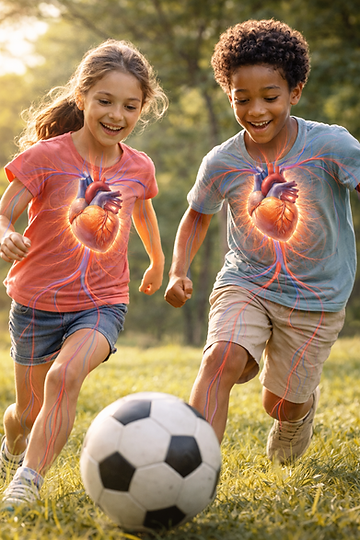
Supporting how the body moves blood, delivers oxygen and nutrients, and maintains internal circulation
Listen to This Page
The written text on this page serves as the full and official version of this content

Cardiovascular Health Conditions Overview
The cardiovascular and circulatory system includes the heart, blood and the network of blood vessels that carries oxygen, nutrients, hormones and other materials throughout the body. Cardiovascular health conditions can affect how effectively the heart pumps, how easily blood moves through the vessels, and how well tissues receive the oxygen and nourishment they need.
These conditions may include high or low blood pressure, coronary artery disease, heart rhythm irregularities, heart valve conditions, heart failure, blood-vessel disease, circulation problems and conditions that increase the possibility of heart attack or stroke. Each condition has different causes, patterns and care needs.
Cardiovascular health is connected with metabolism, blood-sugar regulation, breathing, nervous-system activity, immune and inflammatory function, kidney function, movement, sleep, stress, nourishment and environmental conditions such as air quality and extreme heat. This page explains how the cardiovascular and circulatory system functions and explores the broader conditions that may support or place additional demands on it.
Article Index
Relationship to Other Body Systems
When to Seek Additional Support
Listen to This Page
The written text on this page serves as the full and official version of this content
The cardiovascular system is the body’s internal transport network, continuously moving blood to deliver oxygen, nutrients, and signaling molecules while carrying away carbon dioxide and metabolic byproducts. This system connects every part of the body. It supports cellular function, coordinates communication between systems, and helps maintain internal stability across changing conditions. Circulation is not static; it adjusts moment by moment in response to activity, rest, environment, and daily patterns. When circulation is well supported, the body is better able to distribute what it needs, where and when it is needed.
How the System Functions
At the center of the system is the heart, which rhythmically contracts to move blood through a network of vessels. Arteries carry blood away from the heart, veins return it, and capillaries allow exchange with tissues. Blood carries oxygen from the lungs to cells and returns carbon dioxide for removal. It also transports nutrients from digestion, hormones from endocrine signaling, and immune components involved in protection and repair. Circulation adapts continuously. Heart rate, blood pressure, and vessel tone shift in response to movement, digestion, temperature, stress, and environmental inputs. This responsiveness allows the system to meet both immediate demands and long-term needs.
Primary Roles in the Body
The cardiovascular system supports several essential functions that affect the entire body:
-
delivery of oxygen and nutrients to tissues
-
removal of metabolic waste products
-
transport of hormones and signaling molecules
-
support of immune cell movement and response
-
regulation of body temperature through blood flow
-
coordination with respiratory, metabolic, and nervous systems
These roles make circulation central to how all other systems function.
Key Components
-
Heart
A muscular pump that generates pressure and maintains forward blood flow.
-
Blood Vessels
Arteries, veins, and capillaries form a continuous network for transport and exchange.
-
Blood
Carries oxygen, nutrients, hormones, immune cells, and waste products.
-
Lungs (Circulatory Connection)
Provide oxygen to the blood and remove carbon dioxide through gas exchange.
-
Regulatory Systems
The nervous and endocrine systems coordinate heart rate, vessel tone, and circulation patterns.
Relationship to Other Body Systems
The cardiovascular system functions as part of an integrated network. The respiratory system supplies oxygen and removes carbon dioxide, making circulation possible. The digestive system provides nutrients that are transported throughout the body. The nervous system helps regulate heart rate and vessel response, while the endocrine system uses circulation to distribute hormones. Movement from the musculoskeletal system supports blood flow, and the immune system relies on circulation to reach areas of need. These connections allow the body to function as a coordinated whole rather than separate parts.

Environmental Conditions
The cardiovascular system continuously responds to the environment the body is in. Air quality influences oxygen exchange and overall circulatory demand. Temperature affects how blood is distributed, with vessels adjusting to support heat retention or release. Altitude changes oxygen availability, requiring adaptation in circulation. Chemical exposures, built environments, and indoor air conditions can place additional demands on vascular function. Light and daily timing also influence heart rate patterns and blood pressure rhythms. The system is constantly adjusting to these external conditions to maintain internal balance.
Supportive Approaches
Daily patterns shape how the cardiovascular system functions over time. Consistency matters more than intensity, and small, steady habits can support circulation in meaningful ways.
-
Regular movement encourages blood flow, supports vessel flexibility, and helps maintain heart function. This can include walking, daily activities, and structured exercise, as well as reducing long periods of sitting.
-
Food and hydration provide the building blocks needed for blood, vessels, and cellular function. Whole, nutrient-dense foods and adequate fluid intake support circulation and overall metabolic processes.
-
Sleep and daily rhythm help regulate heart rate variability, blood pressure, and coordination across systems. Consistent timing supports more stable cardiovascular patterns.
-
Stress and recovery also play a role. Ongoing stress can influence heart rate and vascular tone, while regular opportunities for rest help maintain balance.
-
Air quality, light exposure, and environmental conditions further shape how the system responds. Fresh air, natural light, and supportive indoor environments help reduce unnecessary strain.
Common Disruptions
Changes in cardiovascular function often develop gradually and reflect a combination of internal and external influences. These may include elevated or fluctuating blood pressure, reduced vessel flexibility, changes in circulation efficiency, or increased demand on the heart. Some people may notice reduced tolerance for activity or slower recovery after exertion. Over time, these patterns may contribute to conditions such as hypertension, atherosclerosis, or broader cardiovascular disease. Understanding these changes within the context of daily conditions helps support earlier and more consistent responses.
Early Signals to Notice
The body often provides early indications when circulation is under strain. These can include fatigue, shortness of breath with activity, dizziness, or lightheadedness. Some people notice cold hands and feet, swelling in the lower legs, or changes in how easily they can move or recover from activity. These signals reflect shifts in circulation, oxygen delivery, or coordination between systems and are worth paying attention to as part of overall patterns.
When to Seek Additional Support
The cardiovascular system is continuously adapting, but there are times when additional support may be needed. Ongoing or more pronounced changes in circulation, heart function, or physical tolerance can benefit from further evaluation. Seeking support allows for a clearer understanding of what the body is experiencing and how to respond appropriately. Consider reaching out to a qualified healthcare professional if you experience persistent chest discomfort, pressure, or pain; shortness of breath at rest or with minimal activity; dizziness, fainting, or unexplained lightheadedness; swelling in the legs, ankles, or feet that does not resolve; or a rapid, irregular, or unusually slow heartbeat. Sustained fatigue that does not improve with rest, consistently elevated blood pressure readings, or sudden changes in exercise tolerance are also important signals to take seriously. These experiences do not always indicate a serious condition, but they are signals worth noticing. Timely evaluation can help identify underlying causes, guide appropriate care, and support the body more effectively.
How This Connects to Other Sections
This page describes how the cardiovascular system supports circulation and internal transport.
Environmental Conditions explore the external inputs influencing circulation.
Supportive Approaches describe how daily patterns help maintain cardiovascular function.
Shared Biological Pathways include inflammation, metabolic function, and vascular response.
Nervous System Regulation & Recalibration influences heart rate, vessel tone, and blood pressure.
Together, these sections provide context for how the system functions, what influences it, and how it can be supported.
Scientific & Research References
Recent research continues to reinforce how responsive and condition-dependent cardiovascular function is:
-
Brook, R. D., et al. (2020) – Air pollution and cardiovascular disease (American Heart Association)
-
Tobaldini, E., et al. (2019) – Sleep and circadian influence on cardiovascular regulation
-
Thayer, J. F., & Lane, R. D. (2018) – Heart rate variability and nervous system interaction
-
Green, D. J., et al. (2017–2023) – Vascular adaptation to physical activity
-
Whelton, P. K., et al. (2018; current guideline use) – Blood pressure and lifestyle influence
-
World Health Organization (2021–2024) – Global cardiovascular health and environmental contributors
Kindergarten–Grade 3
The Heart and Circulation

Listen to This Page
The written text on this page serves as the full and official version of this content
The cardiovascular system is the body’s transport network. It includes the heart, blood, and blood vessels.
The heart is a strong muscle that pumps blood throughout the body. Blood carries oxygen and nutrients to the cells and carries away materials the body no longer needs.
A Network Through the Whole Body
Blood travels through tubes called blood vessels.
-
Arteries carry blood away from the heart.
-
Veins carry blood back to the heart.
-
Tiny capillaries deliver oxygen and nutrients to the body’s cells.
The heart, lungs, blood, and blood vessels work together every moment of the day.
Circulation Changes With Activity
The heart adjusts to what the body is doing. It usually beats faster during running, jumping, playing, or wheelchair movement because the muscles need more oxygen.
During rest and sleep, the heart usually beats more slowly. These changes help the body receive what it needs at the right time.
Supporting a Healthy Heart
Everyday habits help care for the heart and circulation:
-
Move and play regularly.
-
Drink enough water.
-
Eat a variety of nourishing foods.
-
Spend time outdoors.
-
Make time for sleep and rest.
-
Balance active play with quieter activities.
-
Enjoy supportive time with family and friends.
The heart and blood vessels work together to deliver oxygen and nutrients throughout the body.
Supporting the heart helps support every other body system.
Grades 4–7
Cardiovascular Function

Listen to This Page
The written text on this page serves as the full and official version of this content
The cardiovascular system is the body’s internal transport network. It includes the heart, blood, and a large network of blood vessels.
The heart pumps blood throughout the body. Blood delivers oxygen, nutrients, hormones, and immune cells while carrying carbon dioxide and other byproducts away from tissues.
How Circulation Works
Blood vessels form a continuous pathway through the body:
-
Arteries carry blood away from the heart.
-
Veins return blood to the heart.
-
Capillaries allow oxygen, nutrients, and other materials to move between the blood and body tissues.
The lungs add oxygen to the blood and remove carbon dioxide. The digestive system provides nutrients that enter the blood and travel to cells throughout the body.
Supporting the Whole Body
The cardiovascular system helps:
-
deliver oxygen and nutrients
-
transport hormones and other signals
-
move immune cells where they are needed
-
carry away metabolic byproducts
-
regulate body temperature
-
support the brain, muscles, organs, and other tissues
Because circulation reaches every part of the body, cardiovascular health supports whole-body function.
Circulation Adjusts Continuously
Heart rate and blood flow change according to the body’s needs. During movement, more blood travels to active muscles. During digestion, circulation helps transport absorbed nutrients. In warm conditions, blood flow near the skin helps release heat.
These adjustments allow the body to remain active, recover, and respond to changing conditions.
Supporting Cardiovascular Health
Healthy daily patterns include:
-
regular movement suited to individual ability
-
nourishing foods, including fruits, vegetables, whole grains, legumes, nuts, and seeds
-
enough water throughout the day
-
consistent sleep and recovery
-
time outdoors and opportunities for active play
-
breaks from long periods of sitting
-
supportive relationships and enjoyable activities
Movement strengthens the heart and helps blood circulate. Nourishment provides materials for energy and repair, while sleep gives the cardiovascular system time for recovery.
A well-supported cardiovascular system helps deliver what the body needs, where and when it is needed.